Engineering & Delivery

Six controlled stages from project information to order delivery

JBL Metal uses a documented project route to convert drawings, samples and approved requirements into engineering control, verification and delivery records. Exact scope, responsibilities and timing are confirmed for each order.

Project Review process evidence
01

Project Review

Clarify the application, drawings, dimensions, interfaces, quantity, destination and decision required from JBL Metal.

The buyer receives a clearer review path and avoids quotations based on hidden assumptions.Review this control stage ->
Technical Definition process evidence
02

Technical Definition

Translate design intent into mesh structure, material direction, opening, orientation, finish, edge and interface requirements.

Architectural intent becomes a technical brief that contractors and procurement teams can review together.Review this control stage ->
Sample Development & Confirmation process evidence
03

Sample Development & Confirmation

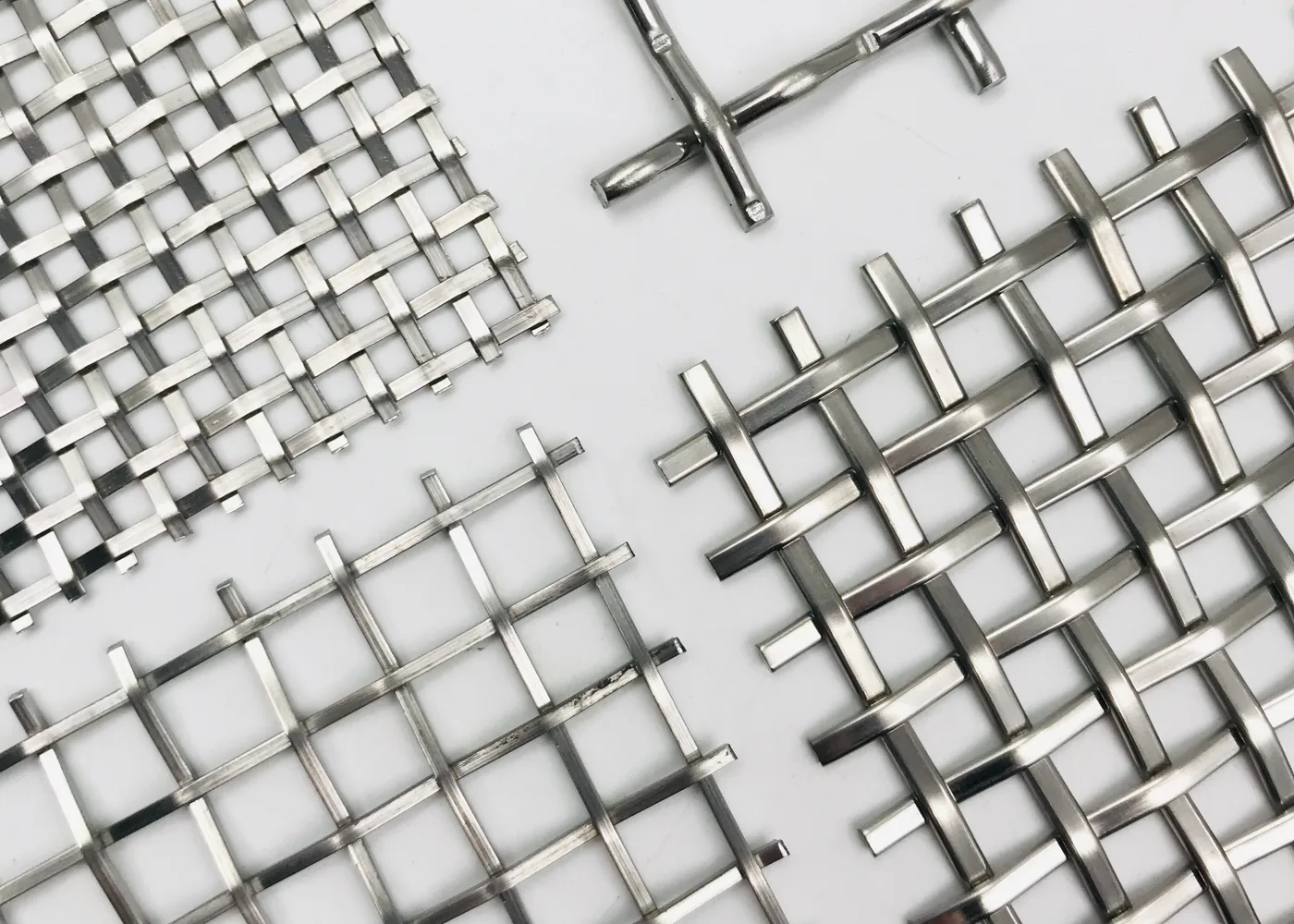
Create a physical reference that answers defined questions about structure, scale, finish, edges and fabrication quality.

The buyer can approve what will actually be seen and touched before committing to production.Review this control stage ->
Engineering Control process evidence
04

Engineering Control

Carry approved drawings, samples, dimensions, finish references and order requirements into production planning.

Engineering control protects the approved intent while keeping order responsibilities and changes visible.Review this control stage ->
Quality Verification process evidence
05

Quality Verification

Check product identity, visible workmanship, dimensions, finish reference, quantity, labels and packing readiness against the controlled order record.

The buyer sees how acceptance points connect to documented order requirements rather than general quality claims.Review this control stage ->
Order Delivery process evidence
06

Order Delivery

Coordinate protection, package identification, documentation and delivery sequence for the destination and buyer-side handoff.

Project materials arrive with clearer identification, protection and receiving information.Review this control stage ->
Buyer input

What enters the workflow

Drawings, project conditions, material and finish direction, quantity, destination, schedule and the decision the project team needs next.

Controlled reference

What keeps the order aligned

Approved drawings, samples, order scope, revision status, inspection points, packing requirements and recorded changes.

Buyer output

What the buyer receives

A clearer technical path, traceable approvals, documented verification and a delivery handoff connected to the order record.

Material-specific experience

Control points change with the mesh structure and finish

Trust comes from knowing which details can fail in a real order. JBL Metal connects the general workflow to the product-specific checks that matter before production and shipment.

Rigid & woven panels

Direction, flatness and protected edges

Rectangular openings require an agreed long-opening direction. Rod direction, panel dimensions, flatness, cut edges, frames, holes and accessories are checked against the approved drawing. Rigid panels require flat support, separation and corner protection during packing.

Flexible coil & drapery

Drape, fullness, tracks and packing form

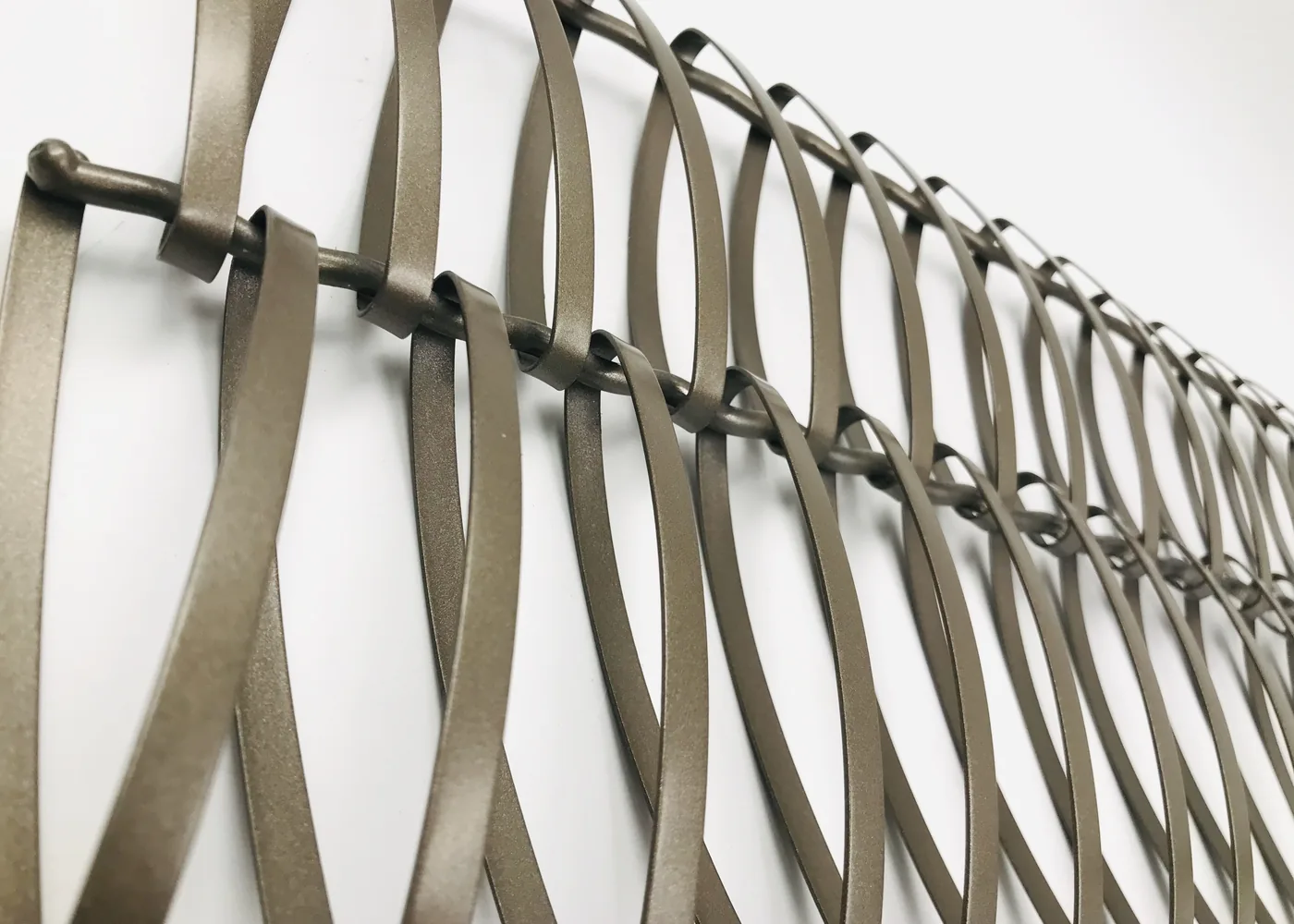
Curtain applications require the hanging direction, fullness allowance, track divisions and accessories to be confirmed together. The packing method follows the approved product form so the mesh, finish and installation sequence are protected.

Material & finish

Finish language must be unambiguous

Aluminium whitening and natural-colour cleaning are treated as different finish routes. Brass orders record whether a protective clear coat is required. Coated colours are checked against the approved colour or physical sample.

Schedule & repeat orders

History and progress remain connected

Repeat orders are checked against the earlier specification, approved sample and shipment photographs. Production progress is reviewed before the final stage, and identified delay risk is communicated rather than left for the buyer to discover.

Start with available information

Prepare the project context before the first review

Drawings are useful, but early sketches, reference images, dimensions, application notes, and finish direction can also clarify the next step.

Project Information Checklist
WhatsAppDiscuss a project
Engineering Control & Order Delivery | JBL Metal