Drawing conversion, sample development, and processing records
Verified overseas materials are presented as processing and delivery experience. Specific project names and locations are published only when their public-use status is confirmed.

The Projects area is structured as an execution evidence layer rather than a simple image gallery. Each route shows where architectural metal mesh systems are used, what project conditions need review, and how drawing-led coordination supports delivery.
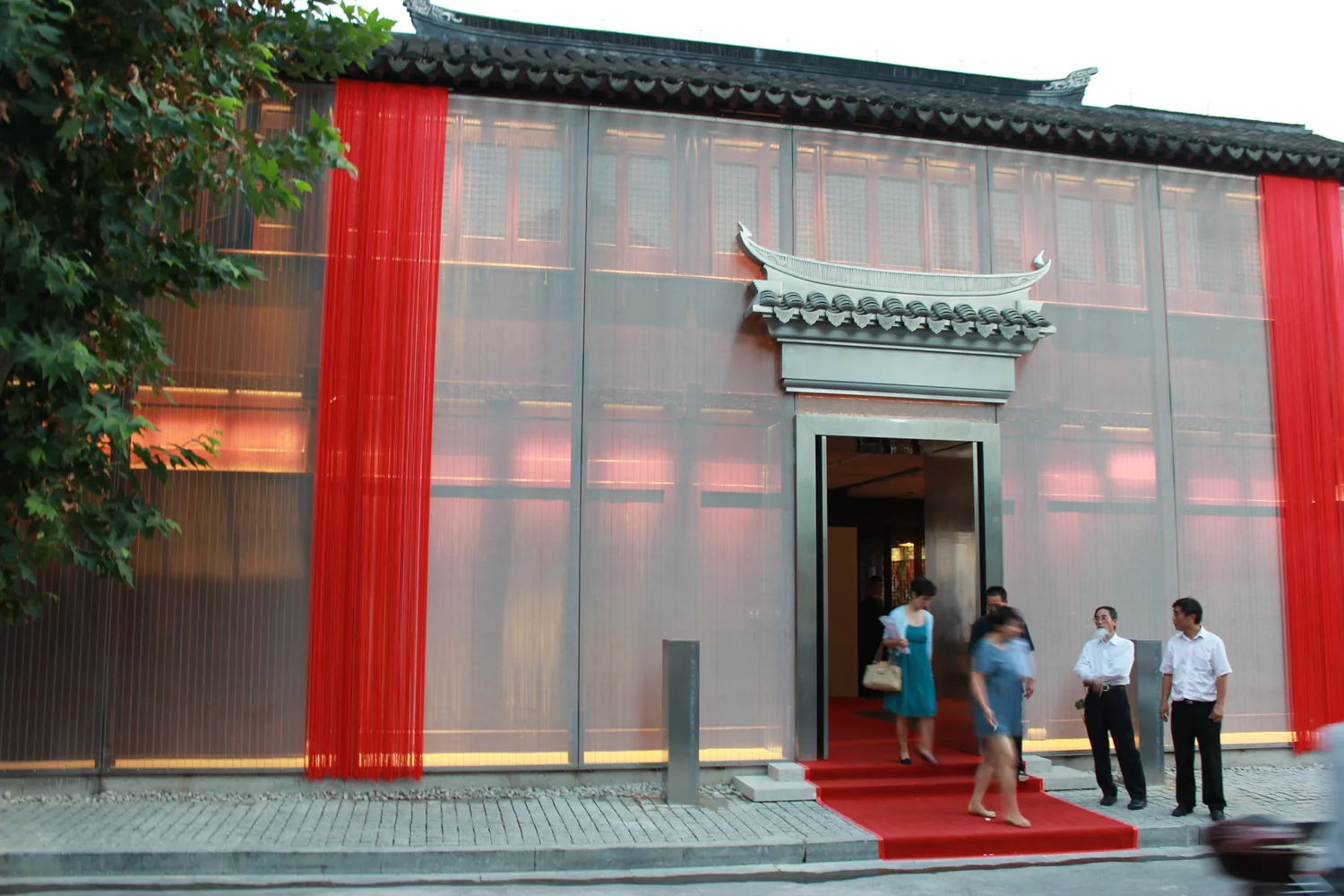
Verified overseas materials are presented as processing and delivery experience. Specific project names and locations are published only when their public-use status is confirmed.
China project references are organized separately so buyers can distinguish domestic built experience from overseas processing records.
These records demonstrate the working method used for overseas enquiries. They are presented as processing and delivery evidence; no specific project identity or location is claimed unless separately verified for publication.
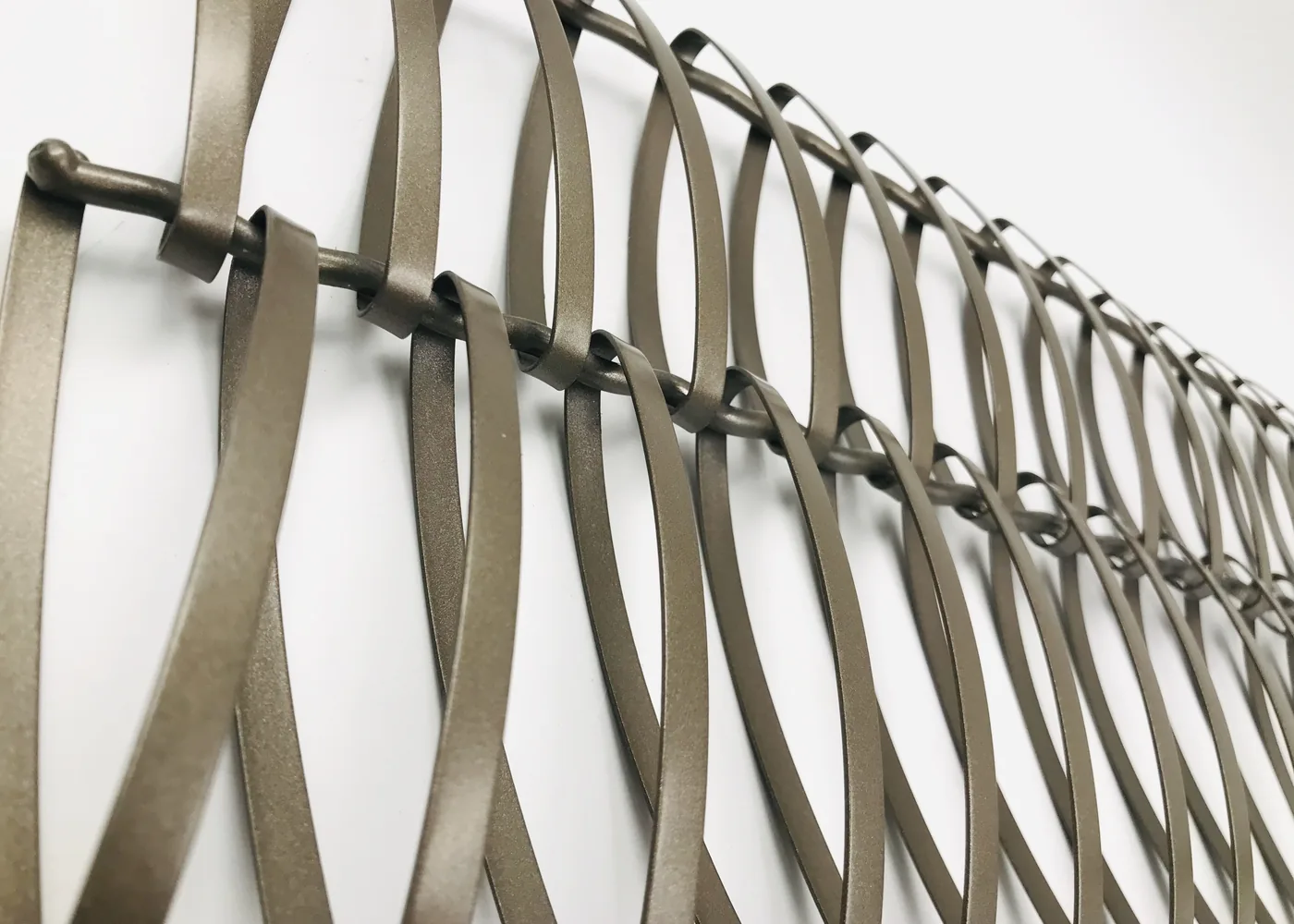
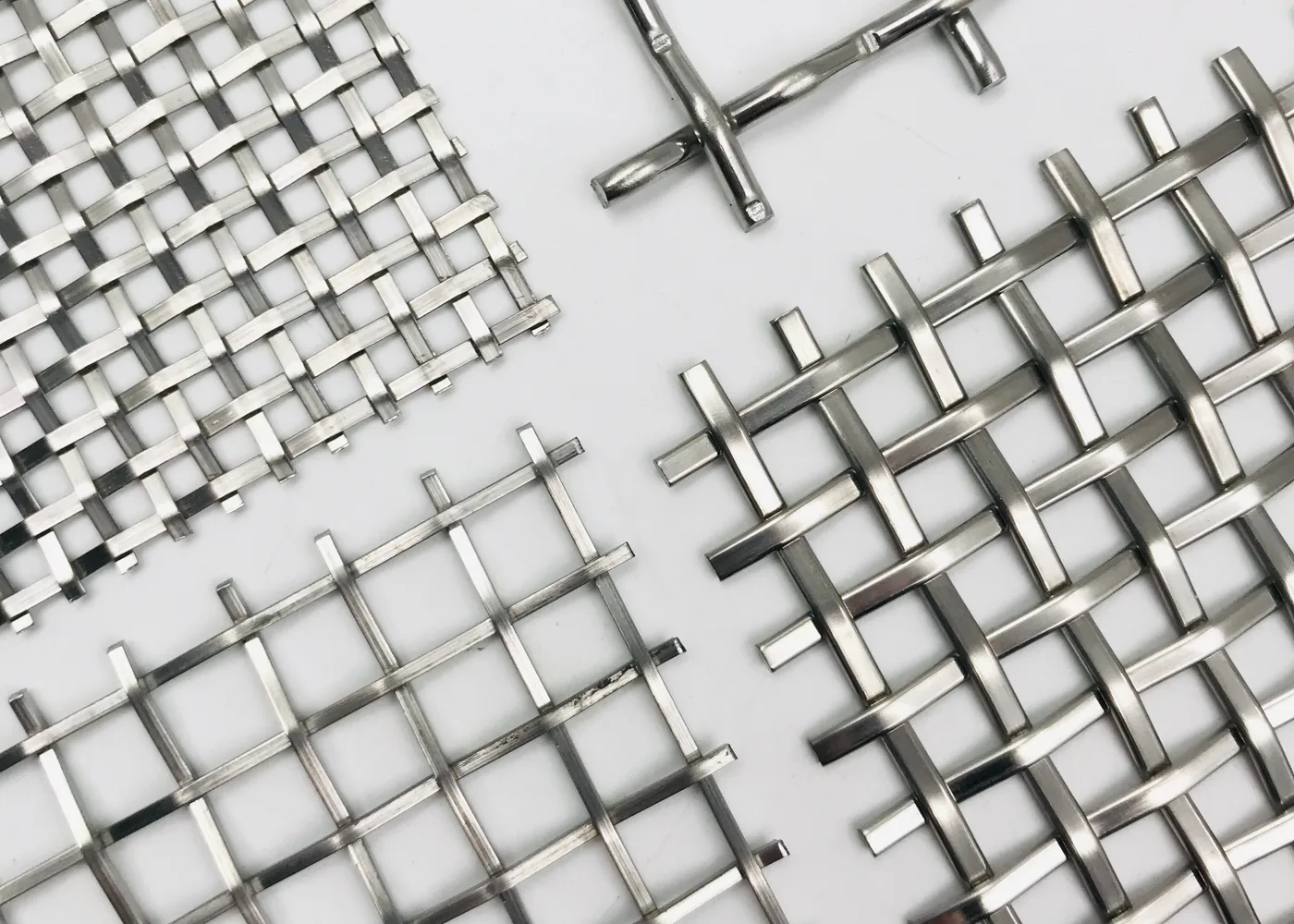
Translate application drawings, dimensions, interfaces and finish direction into a reviewable mesh requirement.
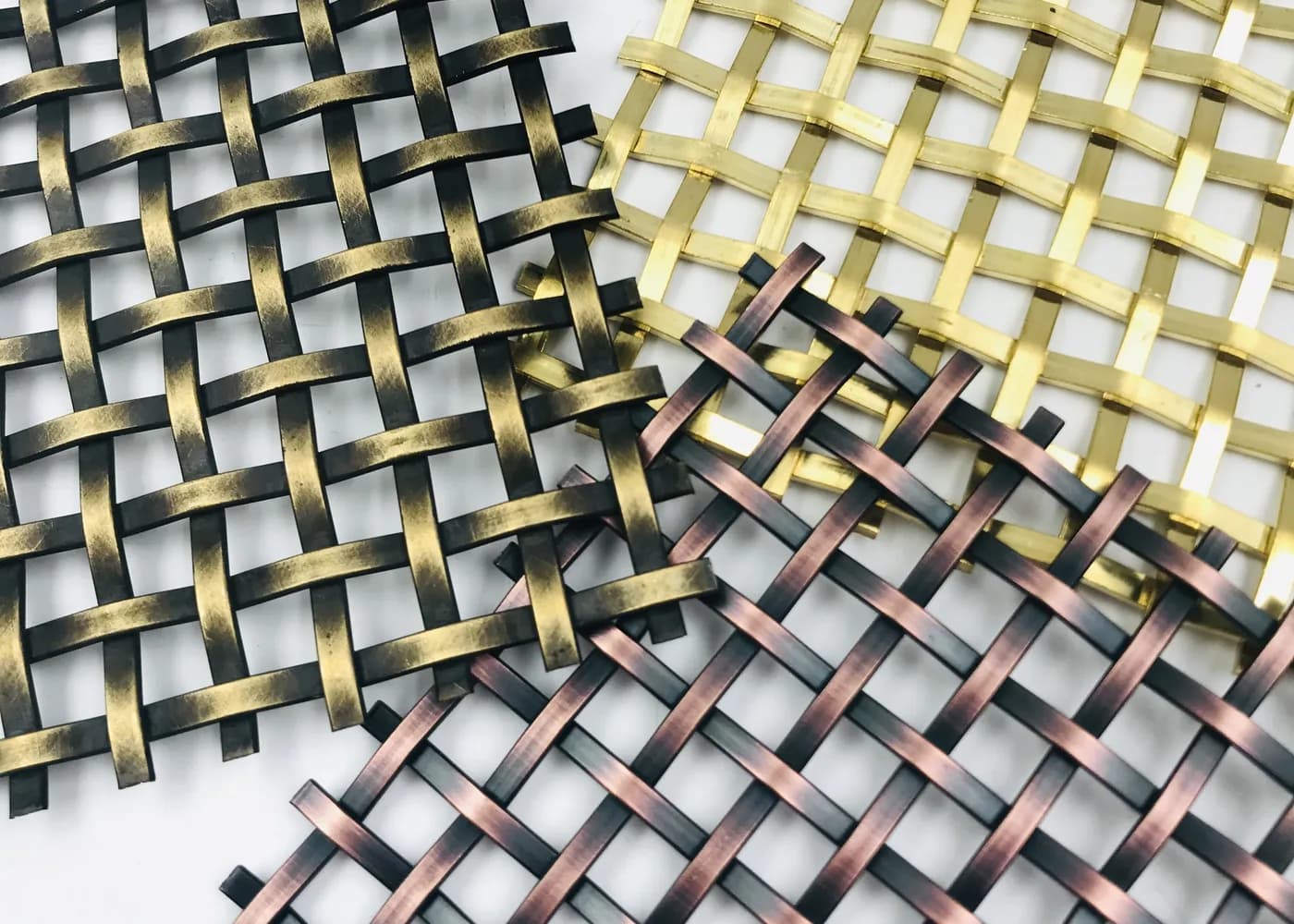
Use a physical sample to align structure, visual density, finish, edges and the acceptance points recorded for the order.
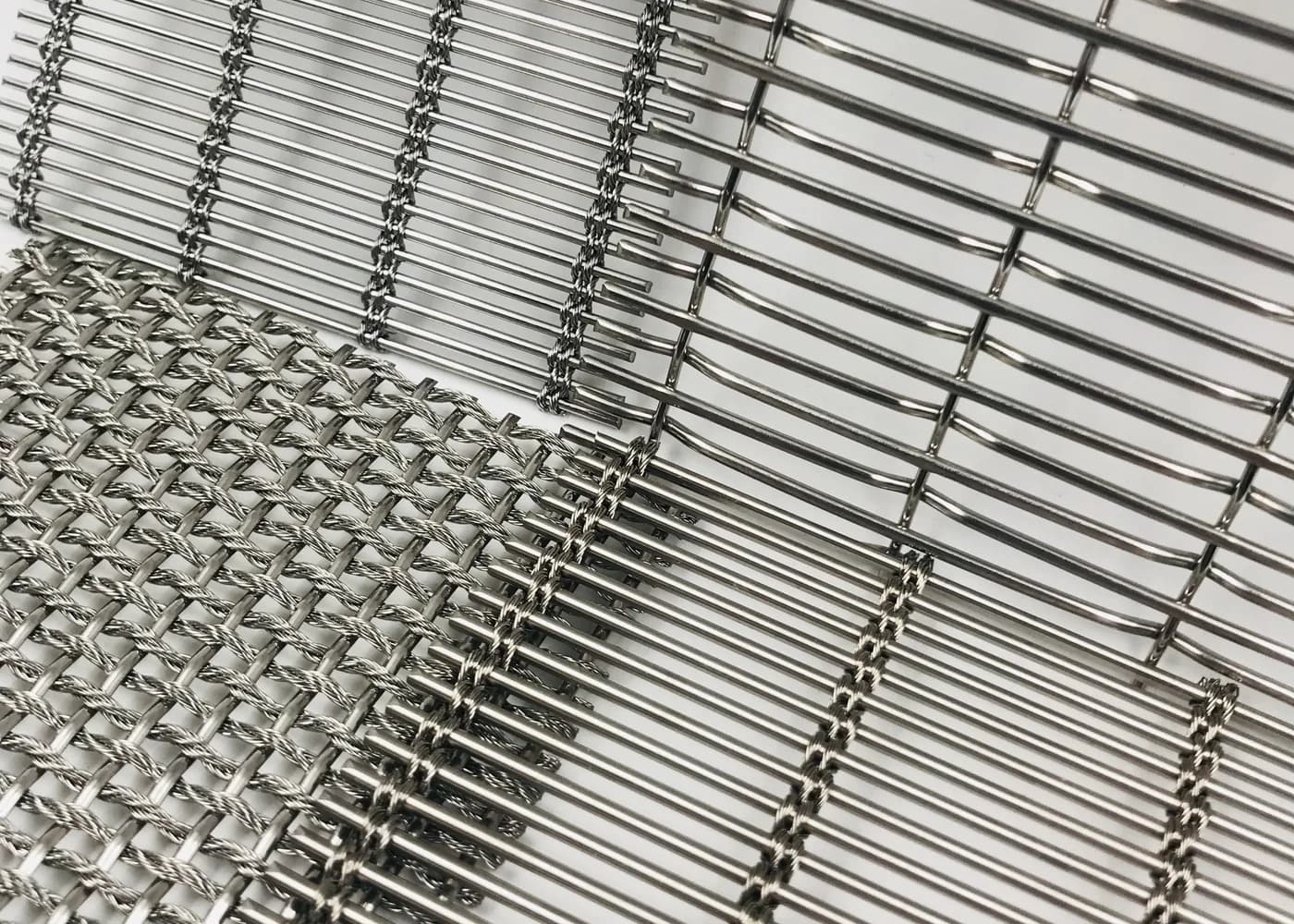
Carry the approved reference into production planning, in-process checks and final verification records.
Coordinate protection, identification, packing format and delivery documentation against the approved order scope.
Contractors, OEM teams, and distributors usually compare project references by application first. These routes connect case records with the application pages used for drawing review and quotation preparation.
Review exterior project records where openness, panel rhythm, finish route, and fixing interface matter.
Review application route ->Review interior ceiling references where module planning, suspension logic, and finish behavior need coordination.
Review application route ->Review screen and divider records where transparency, privacy, frame method, and edge treatment define the route.
Review application route ->Review facade shading records where exposure, open area, panel strategy, and project drawings shape selection.
Review application route ->Review close-view interior feature routes where surface quality, substrate interface, and sample approval matter.
Review application route ->Review bespoke routes where concept images, drawings, samples, and repeatable fabrication need to be aligned.
Review application route ->Project references clarify three things for buyers: which applications JBL Metal supports, what execution conditions need review, and how project evidence connects challenge, response, and outcome.
Exterior projects are reviewed through exposure, openness, support interface, finish direction, packing, and export coordination.
Interior projects place more pressure on close-view finish quality, sample confirmation, module rhythm, and installation detail.
Each project route explains the project challenge, JBL Metal response, and the review outcome that similar buyers can learn from.
Finished photos are supported by samples, details, packing records, QC context, and delivery coordination notes.
Each record connects an application condition with the product route, review challenge, JBL Metal response, and the proof buyers need before sending drawings or quotation details.
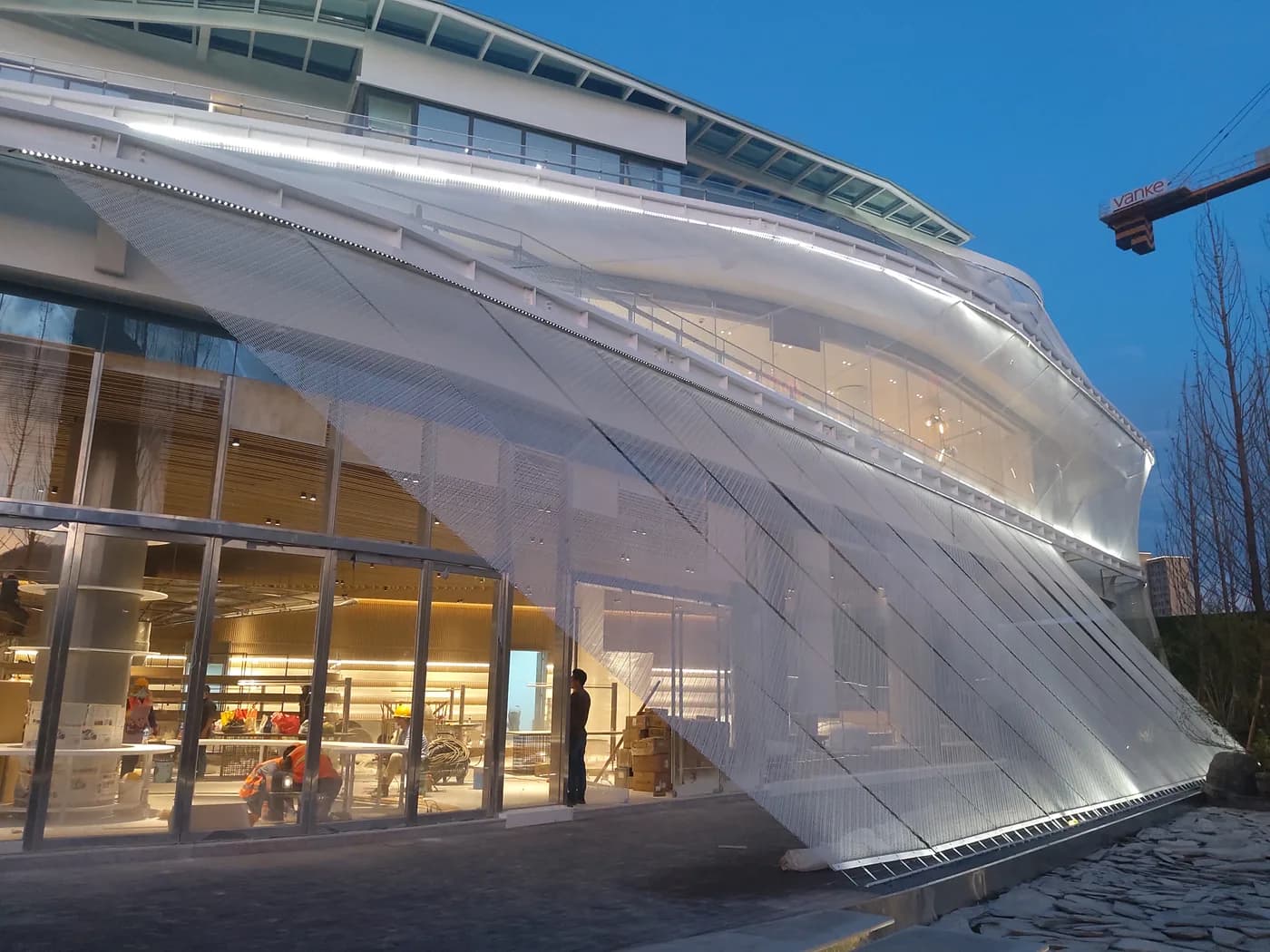
Facade mesh work requires early alignment between opening, panel rhythm, fixing interface, finish direction, and exterior exposure.
View case record ->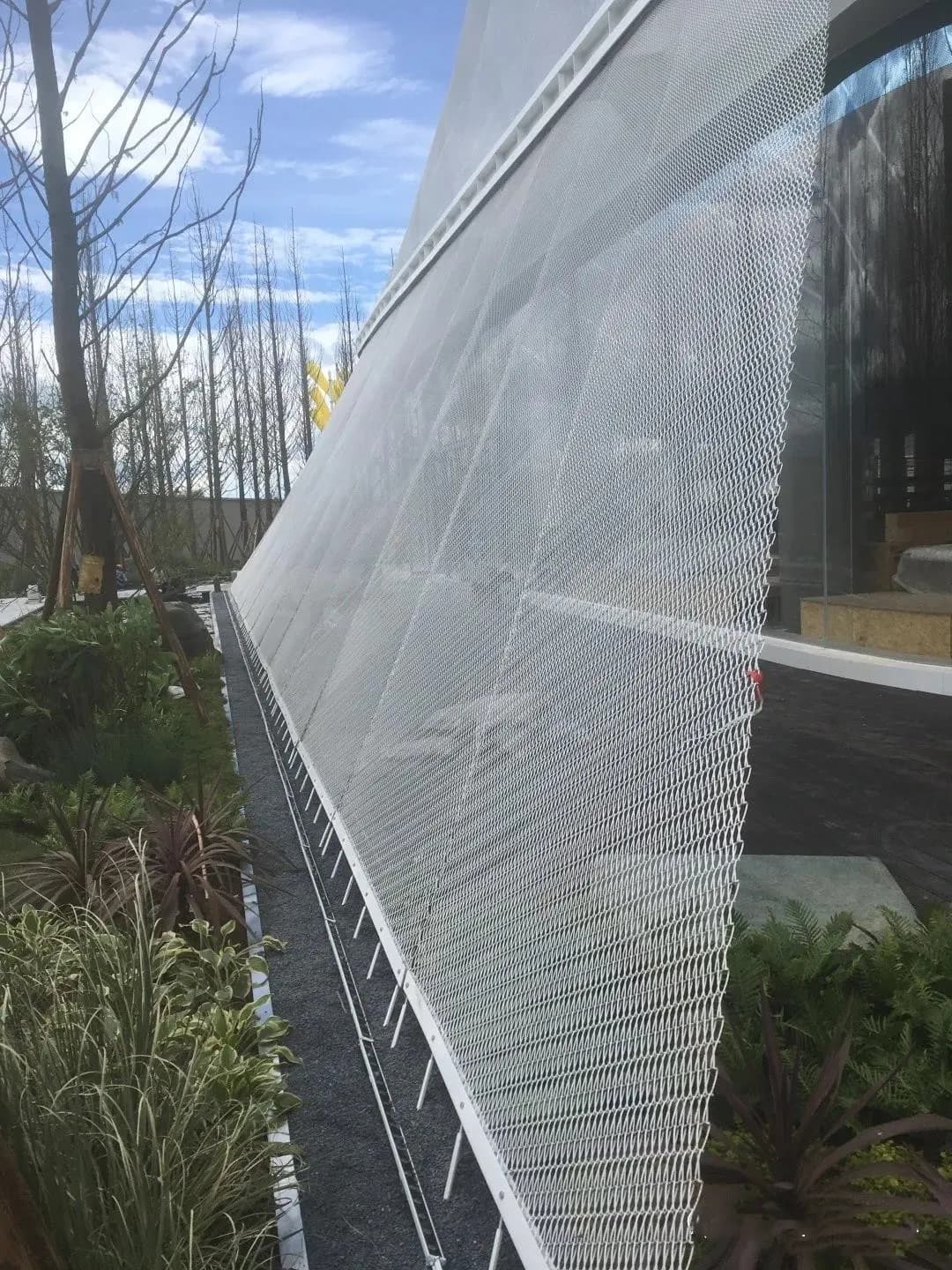
Interior decorative mesh is judged at close viewing distance, so finish consistency, edge detail, and lighting behavior need review.
View case record ->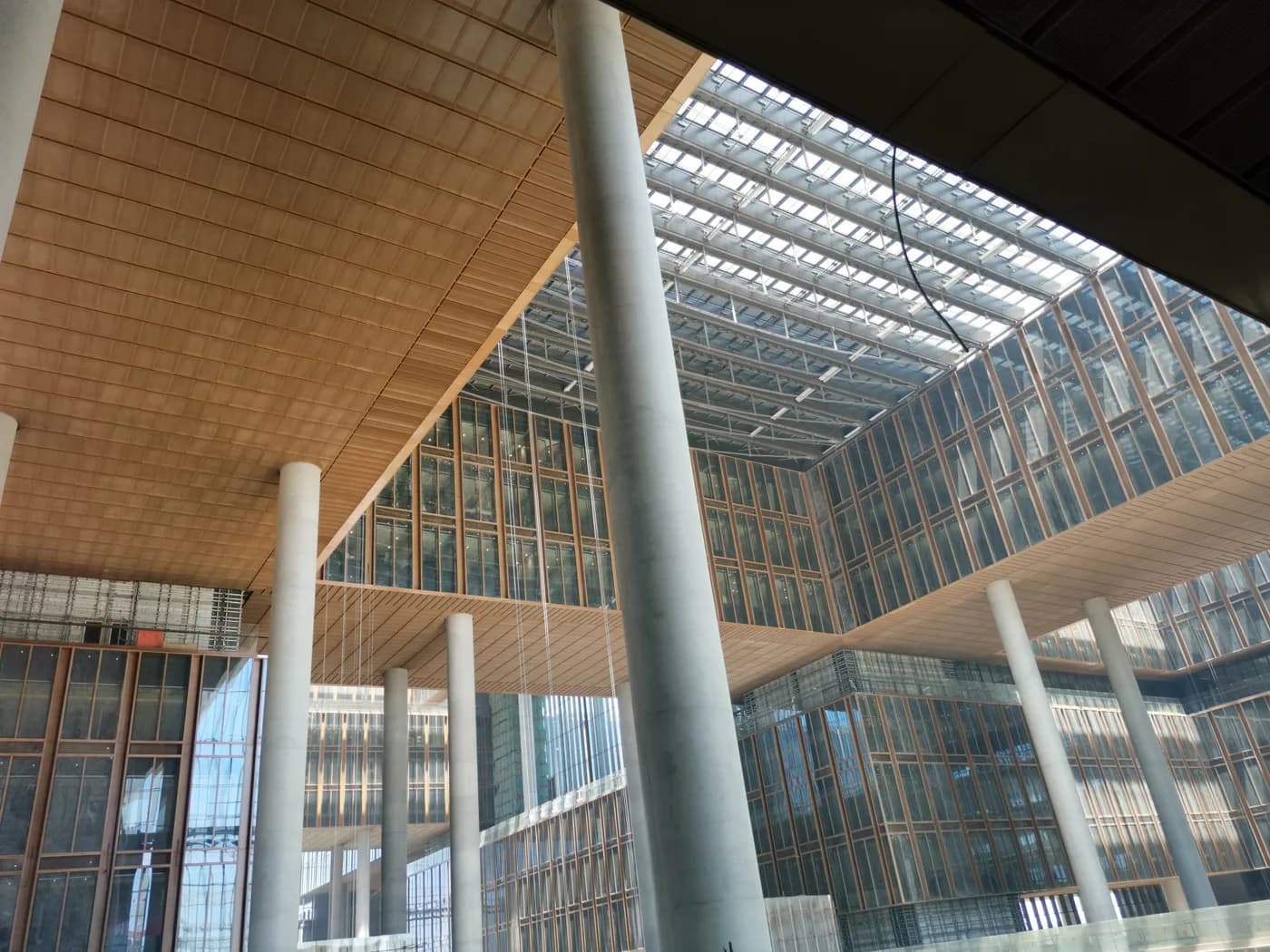
Large-space ceiling mesh requires module planning, suspension route, visible joint control, finish behavior, and site installation sequence to be reviewed together.
View case record ->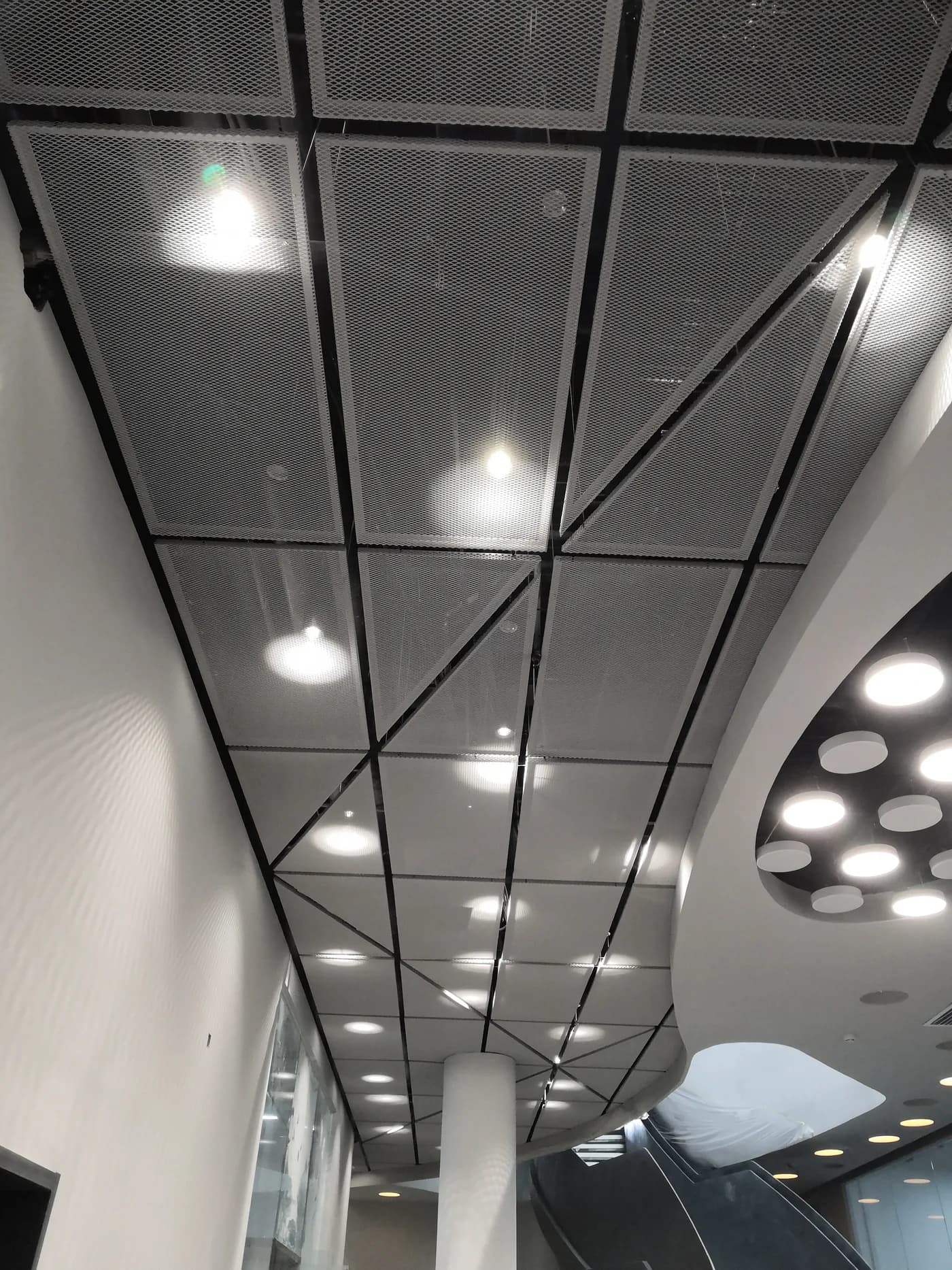
Mixed facade and ceiling applications need project teams to separate visual intent, fixing route, module planning, and delivery sequence before production.
View case record ->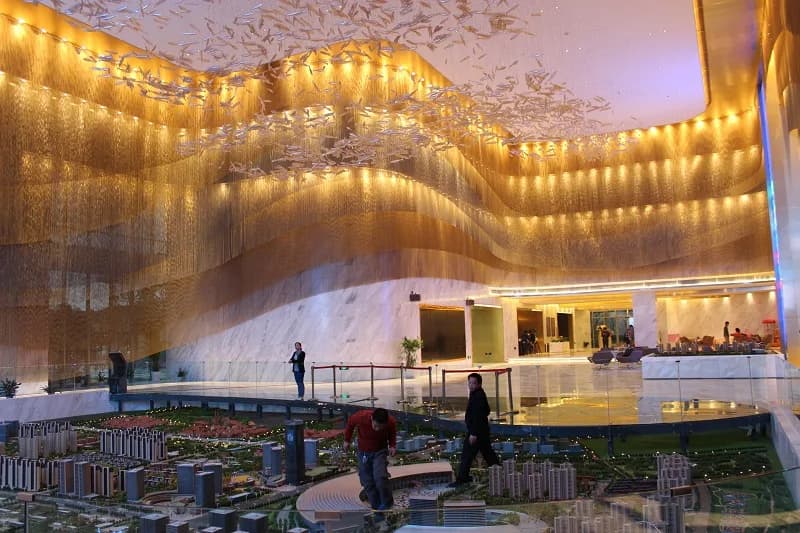
Large interior coil drapery projects require review of vertical drop, track logic, lighting behavior, close-view finish, and installation sequence.
View case record ->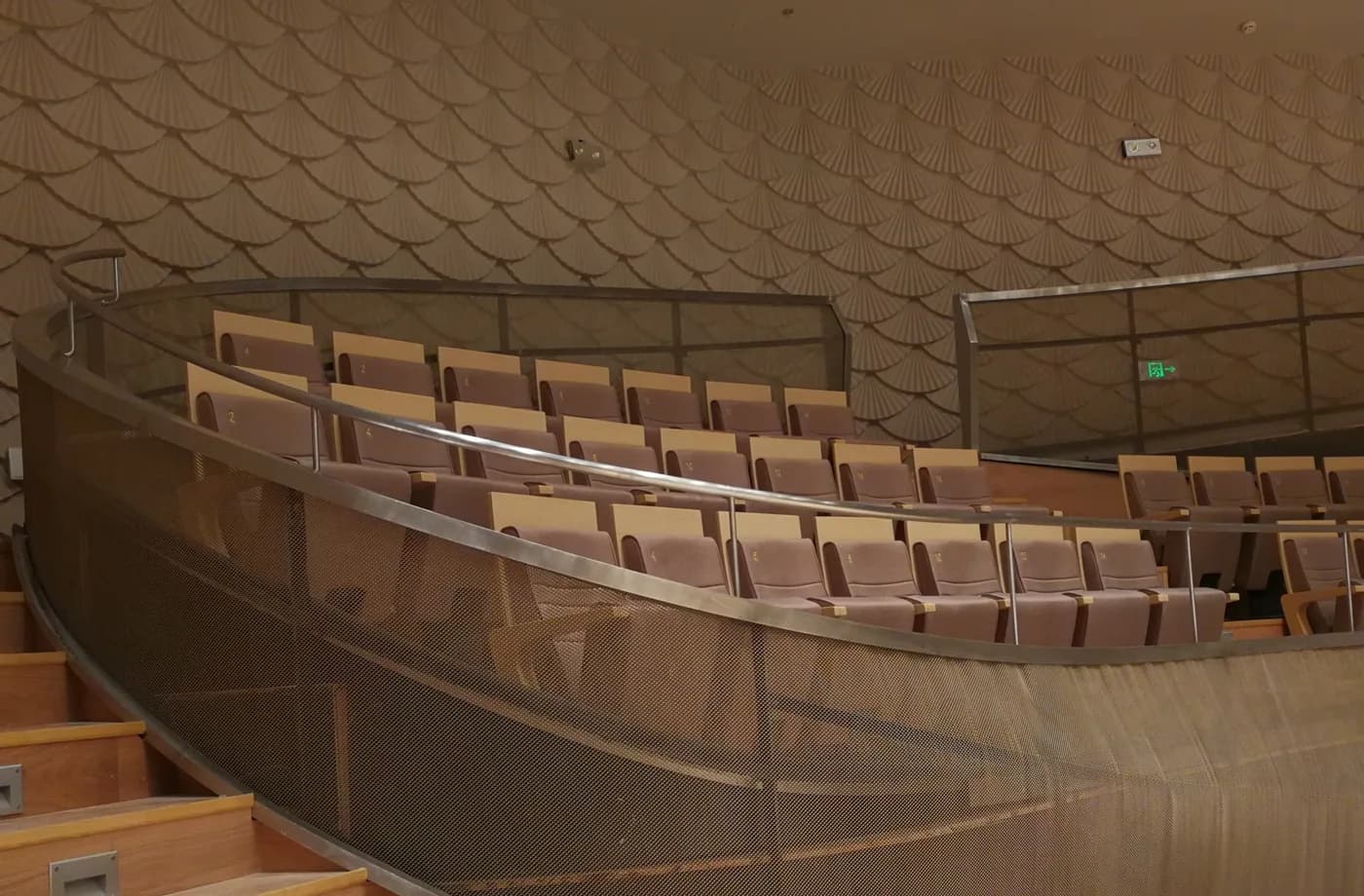
Handrail and infill mesh projects require review of safety interface, opening control, edge restraint, finish durability, and installation sequence.
View case record ->These references show useful processing, product and application experience. They are kept separate from named built-project records so their evidence scope remains clear.
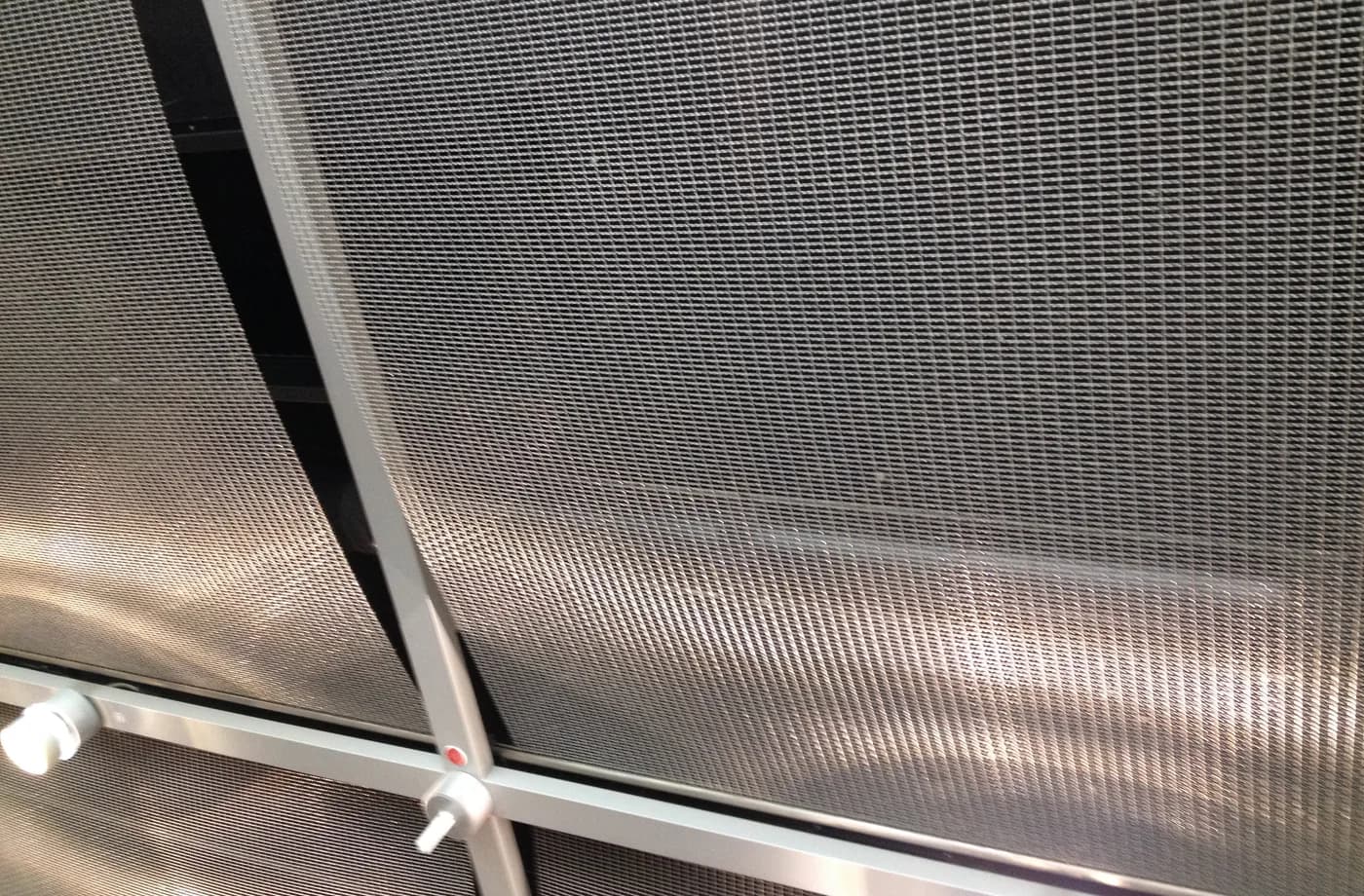
Ceiling mesh work depends on module planning, suspension logic, pattern continuity, and finish behavior under interior lighting.
View processing record ->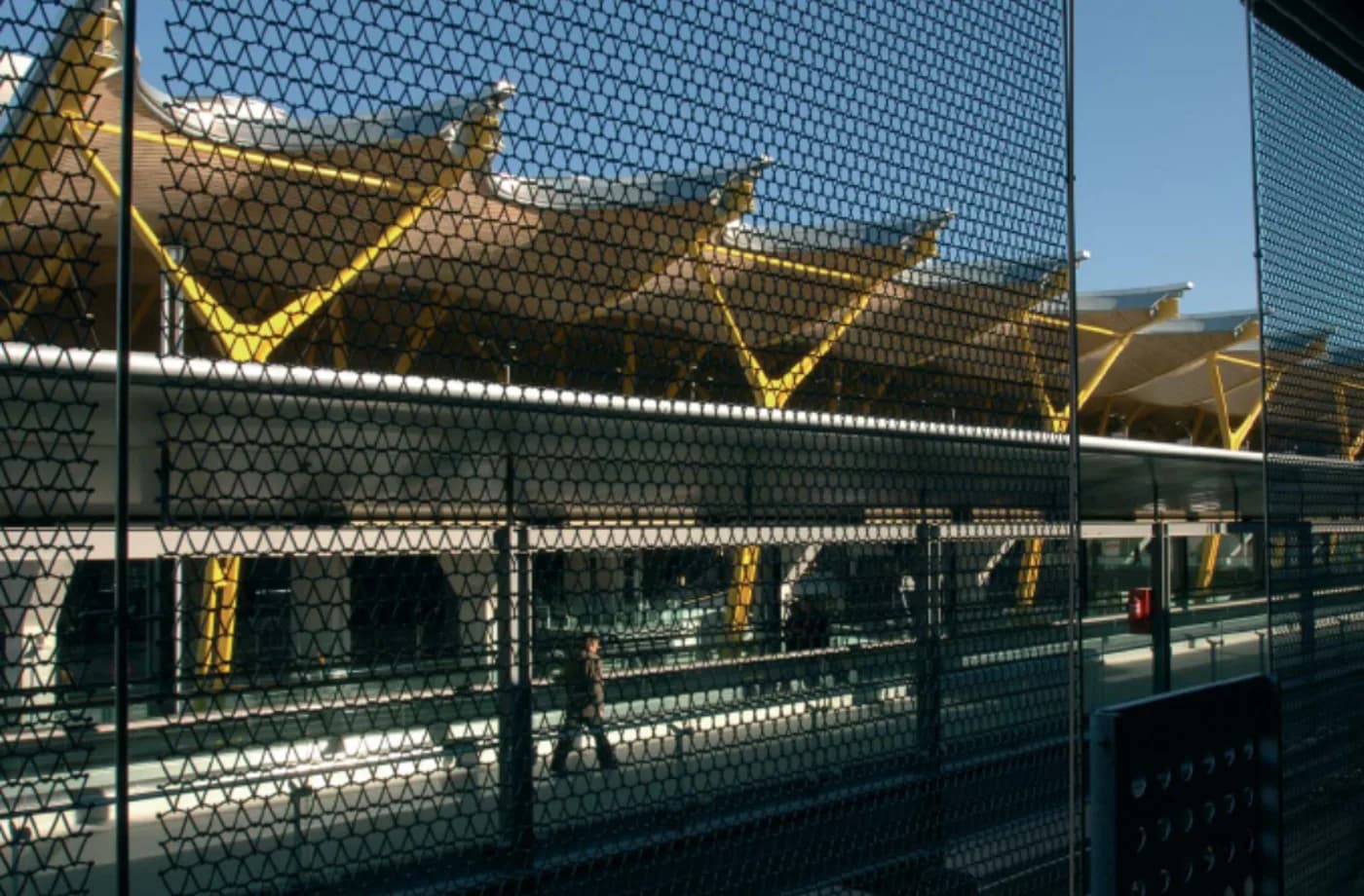
Partition and screen projects need a balance between openness, privacy, frame method, edge control, and visible finish quality.
View processing record ->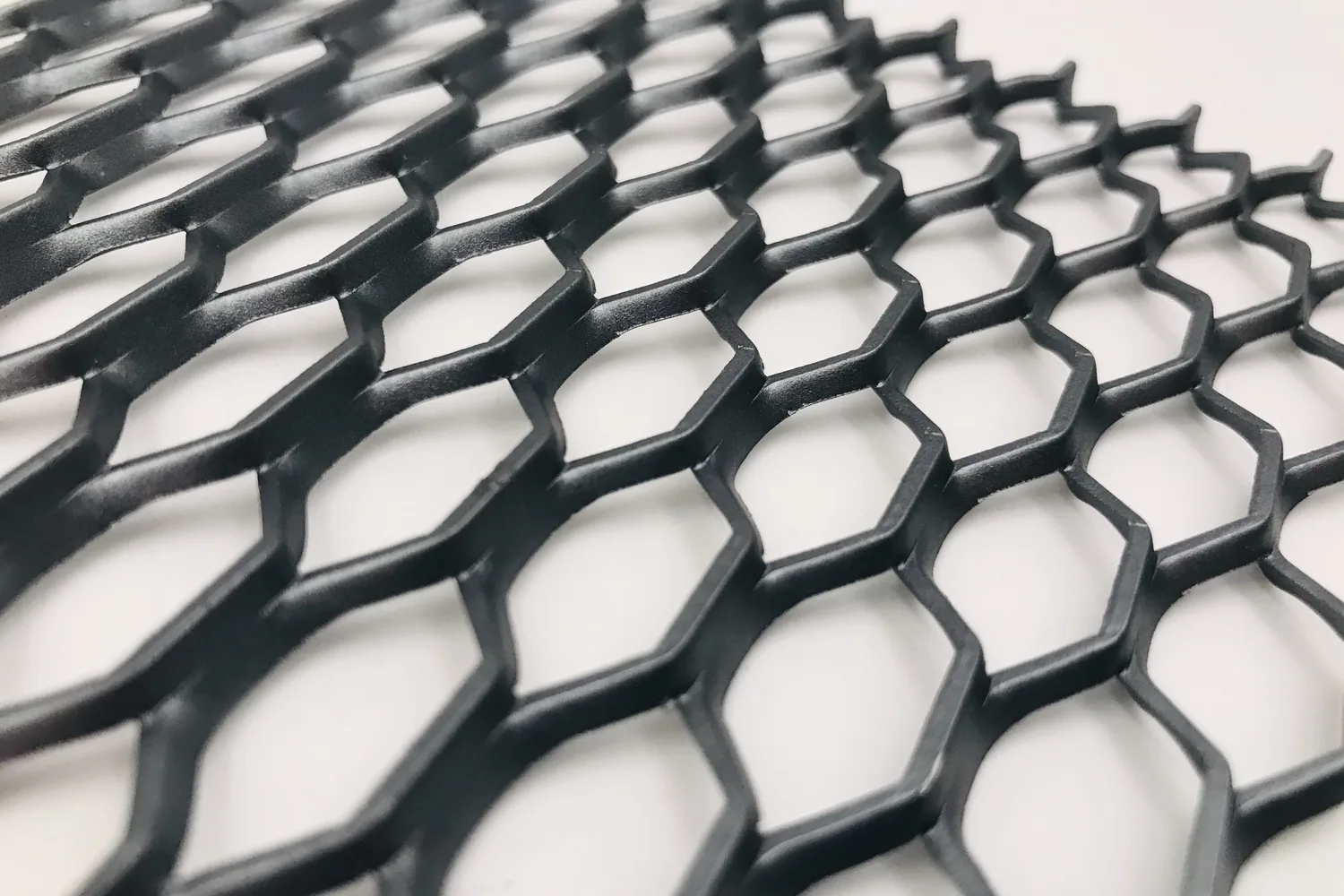
Sun shading mesh requires openness, exterior durability, support method, and viewing distance to be reviewed together.
View processing record ->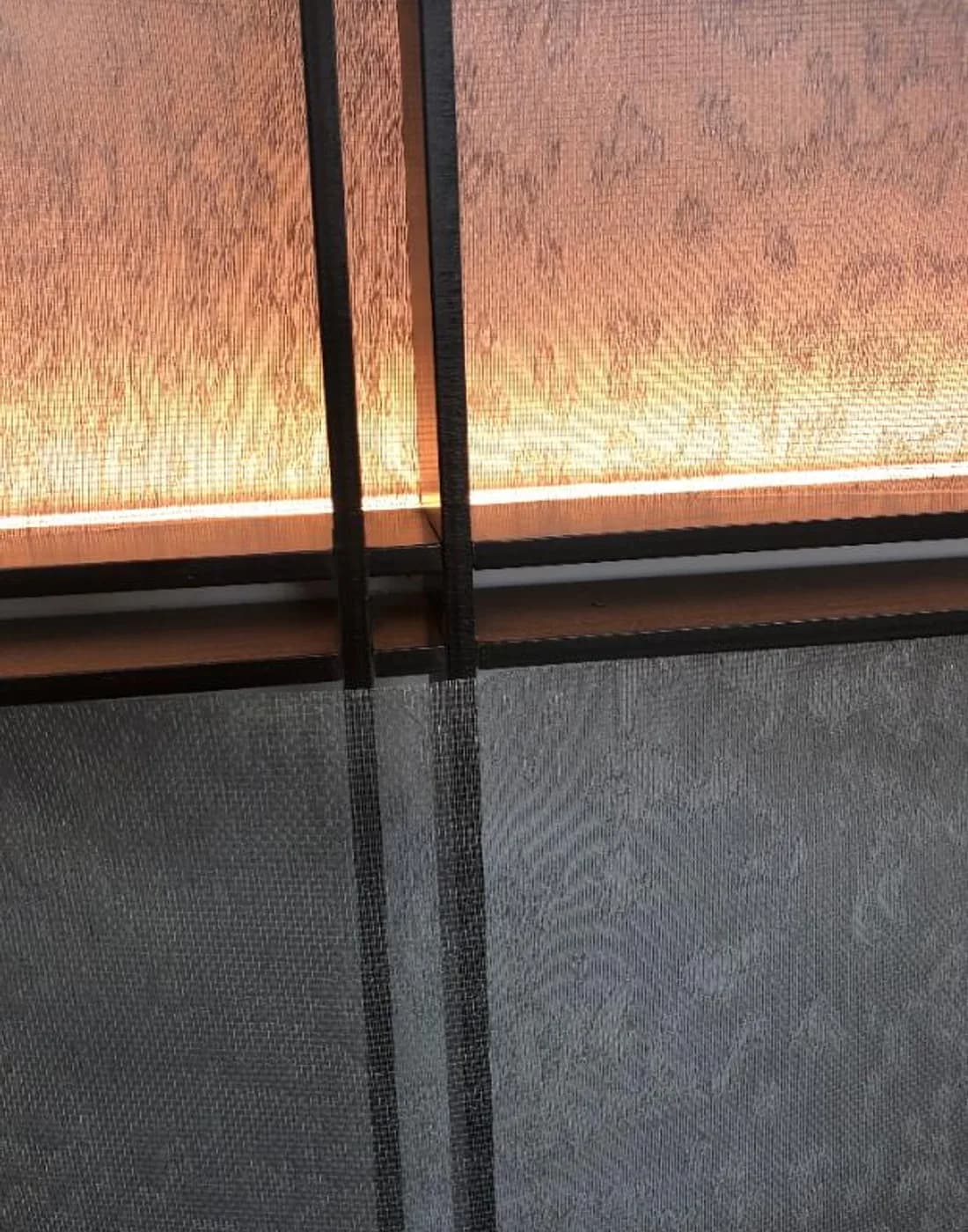
Custom mesh work starts from design intent, sample direction, material feasibility, and repeatable fabrication logic.
View processing record ->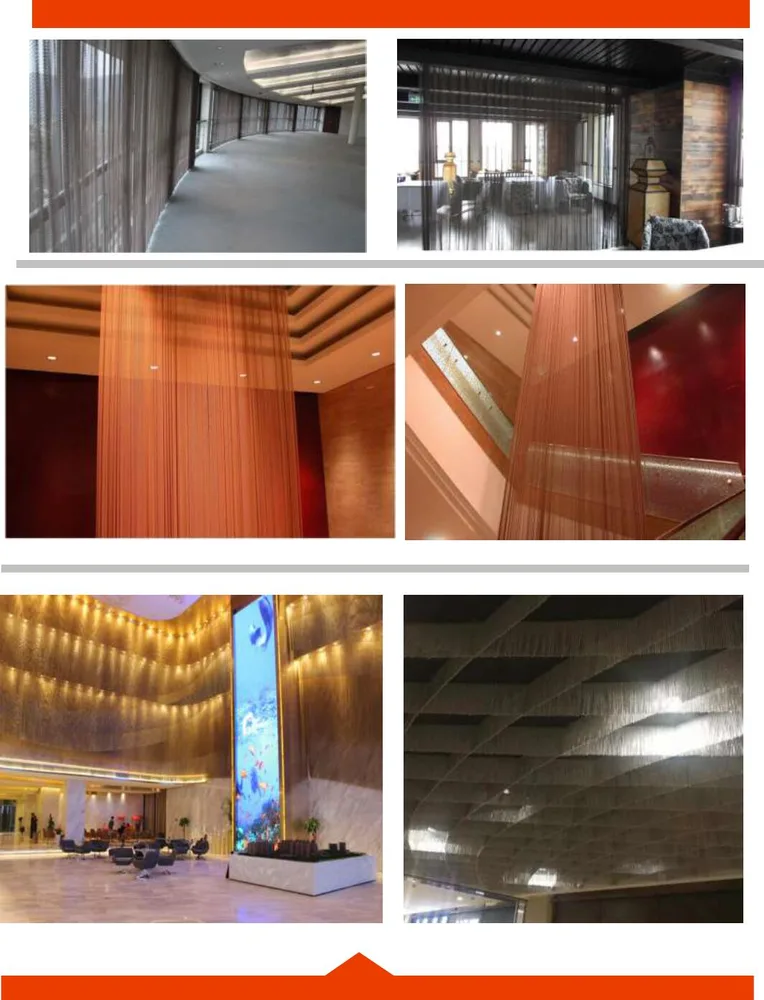
Coil drapery projects need early review of track logic, hanging direction, openness, close-view finish, and site handling method.
View processing record ->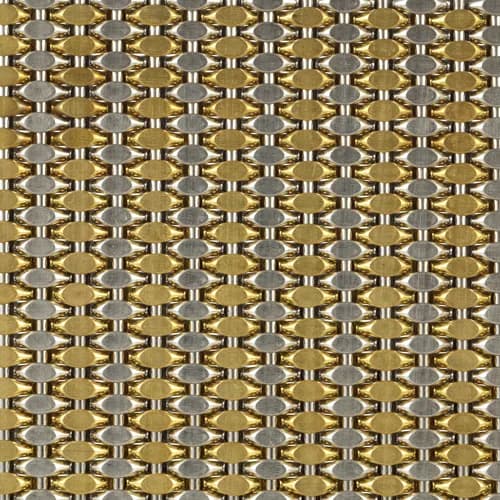
Elevator and wall feature mesh requires close-view finish control, repeatable texture, panel handling, and substrate interface review.
View processing record ->The fastest path is to identify the closest application, review the system route, then submit drawings with project area, finish direction, destination country, and expected response timing.