
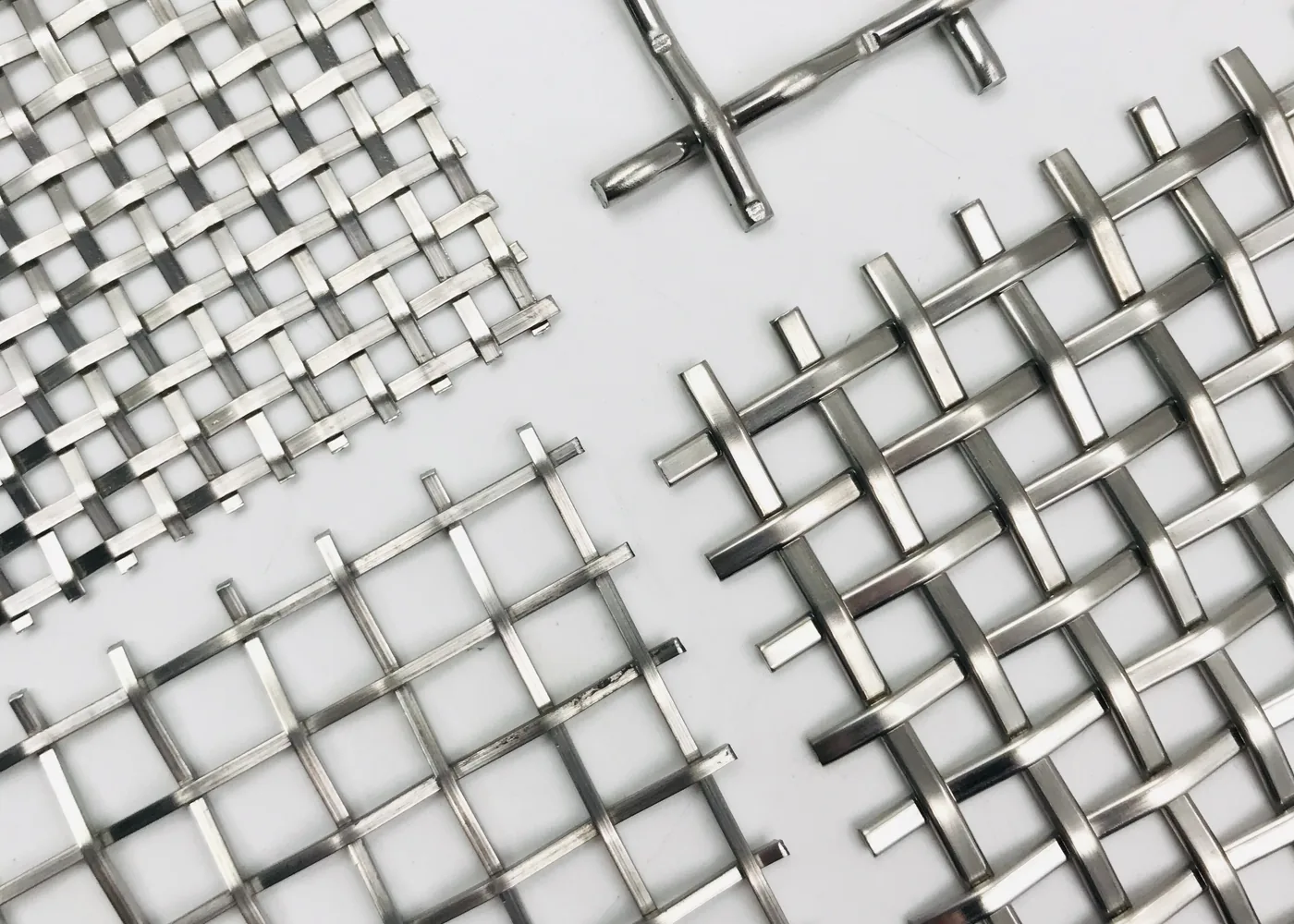
A large attachment does not always produce a fast quotation. The files may contain several revisions, no marked mesh area, no orientation, no quantity and no explanation of whether the buyer needs a concept review, sample or final commercial offer. The supplier must then guess the scope or start a long clarification loop.
Direct answer
For a faster and more comparable architectural metal mesh quotation, send one clearly named package containing the latest drawing revision, application and location, overall and panel or roll dimensions, pattern direction, edge and support information, material and finish direction, quantity, destination and required schedule stage. Add reference images or BOQ notes, identify confirmed requirements separately from assumptions, and state whether you need an initial product review, sample direction, budget estimate or production quotation. Incomplete drawings can start the process when the open decisions are visible.
We connect the visible mesh to the order definition
In our enquiry review, we separate the information already confirmed from quotation assumptions and decisions that must be closed before sampling or production. We connect drawings with application, product direction, finish, edges, interface, quantity, destination and the buyer’s required next response.
Buyer questionWhat should I submit so the first reply is useful and competing quotations describe the same scope?
Minimum starting pointApplication, marked area, approximate dimensions, quantity, destination and the decision needed next.
Stronger RFQ packageLatest drawings, divisions, direction, edges, interface, material and finish references, BOQ and schedule context.
Key controlSeparate confirmed requirements, temporary assumptions and unresolved decisions.
Possible responseInformation-gap list, product direction, sample plan, budget basis or production quotation.
1. State the decision you need from the first response
Tell the supplier whether you need product-family guidance, a sample, a preliminary budget, a tender quotation or a production quotation. The same drawing package is reviewed differently at each stage.
Include the project stage and target reply date. A concept enquiry can keep dimensions provisional, while a production request requires a controlled drawing, approved finish and clear order scope.
2. Send one controlled drawing package with a visible quotation boundary
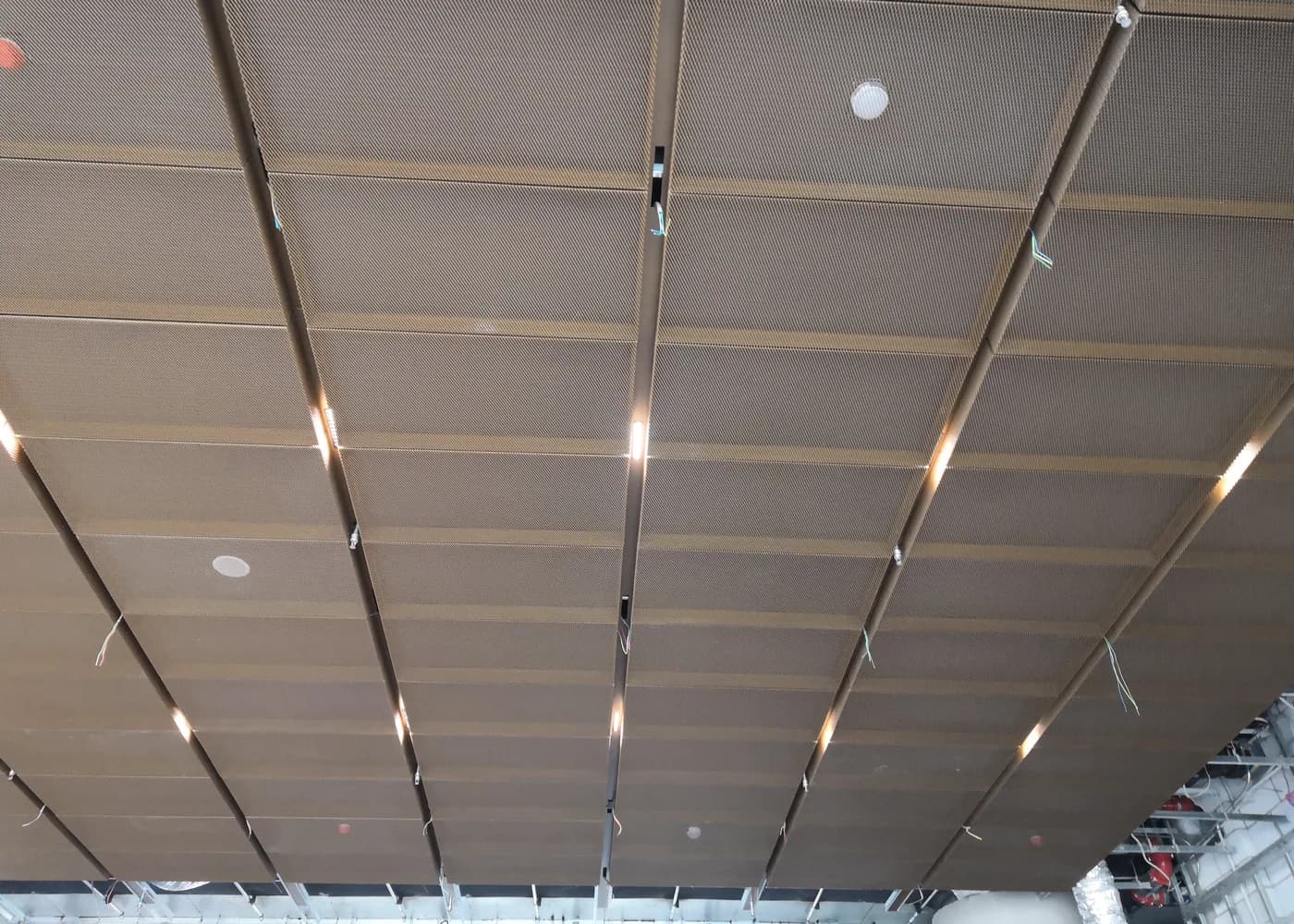
Include the latest elevation or layout and mark where the mesh begins and ends. Add overall dimensions, levels, openings, returns, panel or roll divisions and pattern direction where known. Sections should show the available edge and support interfaces.
Use clear file names, revision and date. If earlier files are included for context, identify which revision controls the current request so outdated dimensions do not enter the quotation.
3. Connect the visual reference to product, material and finish direction
A rendering or reference image helps explain intent, but it should be accompanied by the known product model or structure, orientation, material direction and finish expectation. Mark whether each item is required, preferred or still open to recommendation.
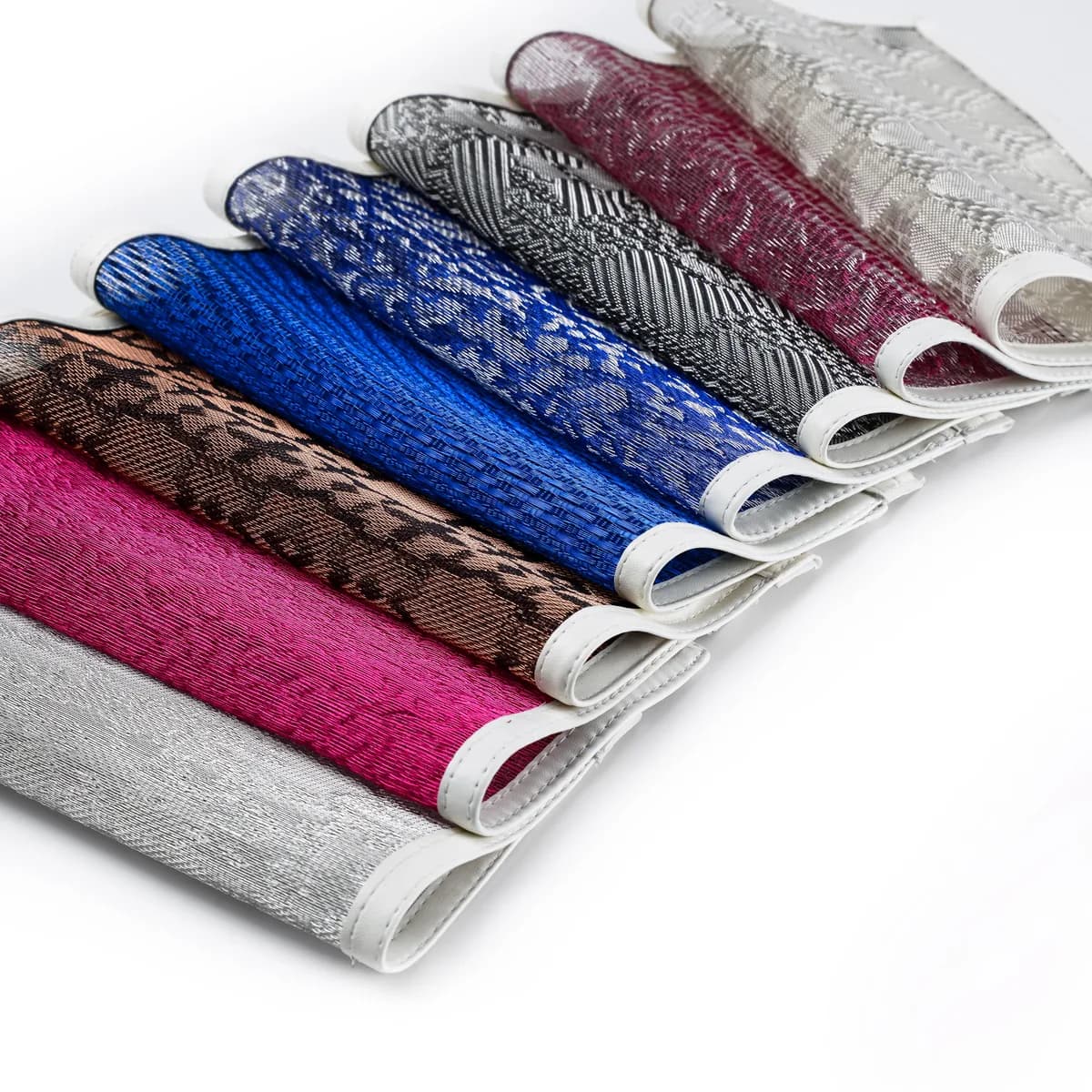
When a physical sample or colour reference already exists, identify it by a recognizable reference. Do not assume that a screen image is an approved finish standard.
4. Include quantity, destination and delivery-stage information
State total area, panel or roll quantity, repeated types and any spare requirement when available. If the schedule is phased, show which quantities belong to sampling, mock-up, first release and later delivery.
Destination country or city, delivery term when known, site access constraints and required packing identification help frame logistics. These details can remain provisional at the first review, but they should not be omitted from a commercial request.
5. Make assumptions and open decisions visible
Use a short list or marked drawing to distinguish confirmed dimensions, quotation assumptions and information still required. If the edge, support, material or finish is not fixed, say which direction should be used for budget comparison.
A faster quotation is not one that hides uncertainty. It is one that uses the available information without presenting open items as approved production requirements.
6. Check whether supplier replies use the same quotation basis
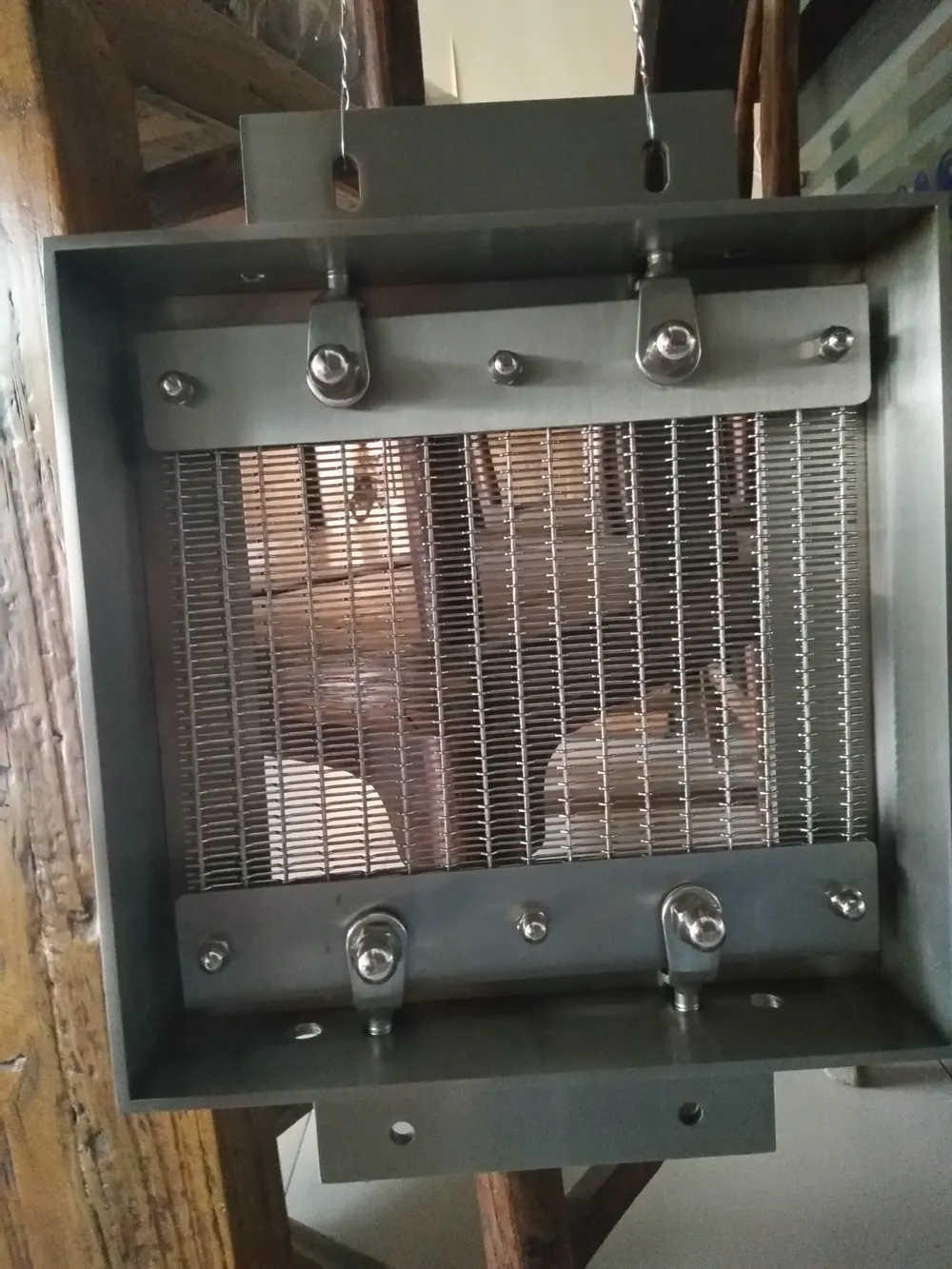
Compare model or structure, material, finish, direction, dimensions, divisions, edges, frames, accessories, quantity, packing and responsibility boundary. A lower price may exclude components or processing included elsewhere.
Before an order, reconnect the accepted quotation with the latest drawing, physical sample, revision record, packing and delivery requirements. An early RFQ package starts the process; it does not replace final approval.
Make hidden assumptions visible before production
When I receive a new enquiry, I first ask what response the buyer needs now. Then I look for the latest revision, marked application area, dimensions, panel divisions, direction, finish, edge and interface. If something is missing, I separate it into an information-gap list instead of silently choosing a final answer. That lets the buyer move quickly while keeping the quotation basis honest.
How a specification becomes a reviewable order basis
SituationThe buyer needs a fast quotation but the project information is spread across drawings, images, messages and incomplete decisions.
What we reviewRequired response, drawing revision, application, dimensions, direction, divisions, product, finish, edges, interface, quantity, destination and schedule.
Why it mattersA controlled package reduces clarification loops and makes commercial scope easier to compare.
What is confirmedThe quotation basis, stated assumptions, missing-information list and next sample, review or commercial step.
Buyer lessonSend the clearest current package and expose unknowns; completeness and clarity are not the same thing.
Know where general guidance must stop
- Do not send several unlabelled drawing revisions and expect the supplier to choose the controlling file.
- Do not treat a rendering or reference photograph as a complete fabrication definition.
- Do not compare prices until material, finish, dimensions, edges, accessories, packing and responsibility boundaries use the same basis.
- Do not release production from a preliminary quotation package without final drawing, sample and order approval.
Questions buyers ask before quotation
Can I request a quote before drawings are complete?
Yes. Send the latest available elevation, sketch, dimensions or reference information and identify what is still open. The reply should distinguish an initial direction or budget basis from a production-ready quotation.
Which drawing file formats are useful?
PDF is useful for fast marked review, while DWG or other editable project files may support later coordination when available. JPG, PNG, sketches, BOQ notes and ZIP packages can add context. The revision and content matter more than sending every possible format.
Should I send a model number or a reference photograph?
Send both when available, but also state the application, dimensions, direction, material and finish expectation. A model or photograph does not define edges, panel divisions, interfaces or delivery scope.
Why are quantity and destination needed so early?
They help define whether the request is a sample, one-off feature, repeated panel order or larger project, and they affect packing, logistics and the structure of the quotation.
How should drawing revisions be named?
Use a clear file name, revision and date, and identify the changes that affect mesh, dimensions, divisions, finish, edges or accessories. Avoid sending an unexplained replacement file.
What happens if information is missing?
The first response should identify the missing information, any temporary quotation assumptions and the next useful step. Unknown items should remain visible rather than being guessed as final requirements.