
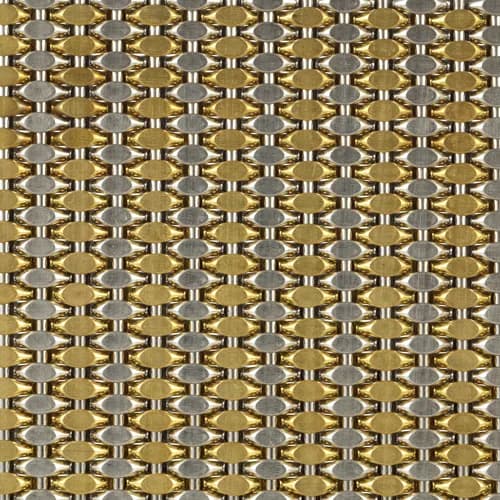
A rendering may show warm bronze, bright silver or a dark metallic surface without identifying whether the project expects stainless steel, aluminium, copper, brass, coating, plating or another finish route. If the base material and exposure remain undefined, suppliers may quote different substrates and approval standards while the images appear similar.
Direct answer
Select architectural metal mesh material by starting with the application and exposure, then comparing the base metal, grade or alloy direction, finish route, fabrication needs, adjoining materials, visible edges, cleaning access and expected maintenance. Stainless steel, aluminium, copper, brass and other metals create different visual and project decisions; none should be chosen by colour or catalogue name alone. Confirm the proposed material and finish with a labelled physical sample, drawings and project-specific engineering, corrosion, fire and code review where required.
We connect the visible mesh to the order definition
In our project review, we connect material direction with the mesh structure, application, exposure, finish reference, fabrication and edge details, adjoining metals, sample identity and maintenance assumptions. We keep project-specific suitability, testing, engineering and regulatory approval clearly separated from general product guidance.
Buyer questionWhich base material and finish direction fit the application, appearance and exposure?
Common directionsStainless steel, aluminium, copper, brass and project-specific alternatives.
Review togetherGrade or alloy, finish, fabrication, edges, adjoining metals, drainage, cleaning and maintenance.
Key riskChoosing by colour or material name while ignoring substrate, process, interfaces and service conditions.
What to sendLocation, exposure, drawings, material direction, finish reference, adjoining materials and maintenance expectation.
1. Define the application and exposure before naming a material
Separate interior, covered exterior, fully exposed, coastal, poolside, high-humidity and industrial conditions. Record contact with rain, salt, condensation, cleaning chemicals, deposits and other relevant agents, together with whether the mesh can drain and dry.
Also define the consequence of visible staining, colour change, deformation or maintenance difficulty. A close-view lobby feature and a high-level facade may require different appearance and access expectations even when they use a similar pattern.
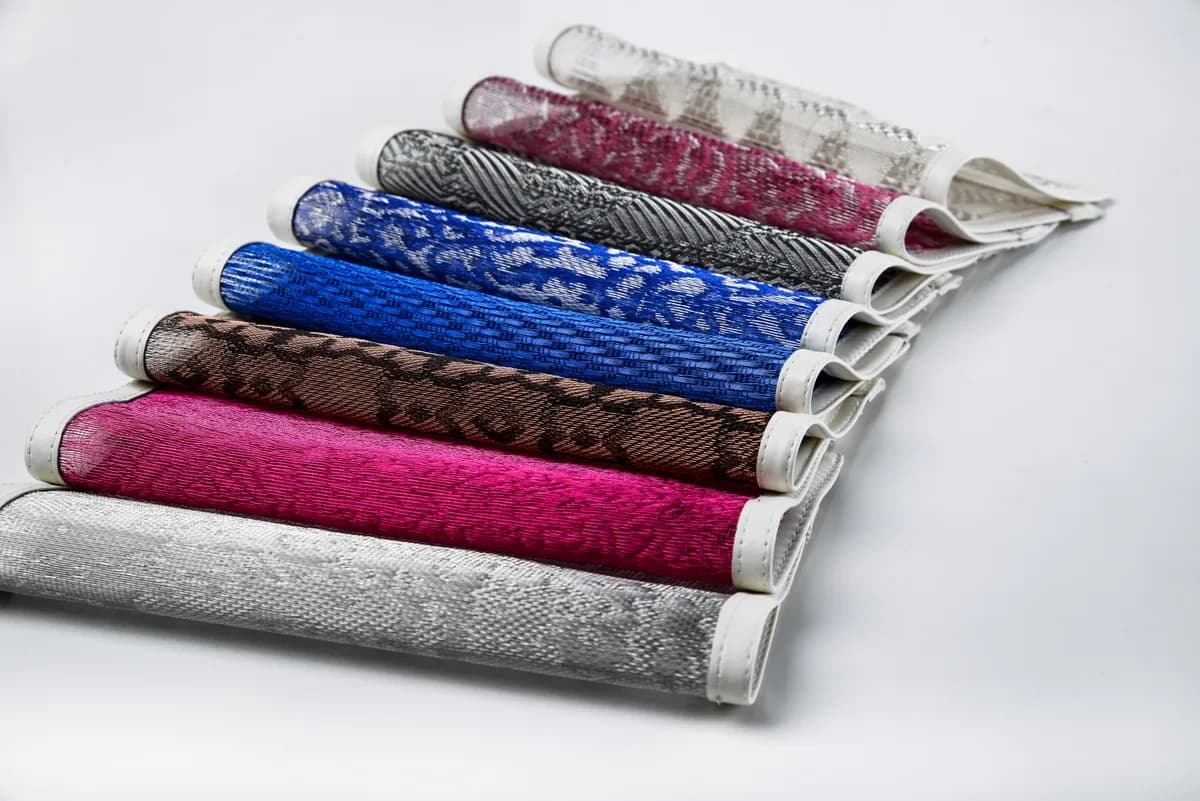
2. Review stainless steel by grade, surface condition and environment
Stainless steel is commonly considered for architectural mesh because it can provide a metallic appearance and useful corrosion resistance, but the grade name is not a complete suitability decision. Compare the actual exposure, surface route, fabrication, contamination risk, cut areas, crevices and maintenance.
Where SS304 and SS316 are being compared, use the same product construction and finish basis. A higher grade does not remove drainage, interface, cleaning or project-engineering requirements.
3. Consider aluminium with weight, forming and finish as one route
Aluminium may be considered where lower weight, forming behaviour or a particular coated or anodized appearance is part of the brief. The exact alloy, temper, mesh geometry, panel format and fabrication route still require confirmation.
Review edges, frames, contact with other metals and finish consistency. Do not assume that every finish reference transfers unchanged between aluminium, stainless steel and other substrates.
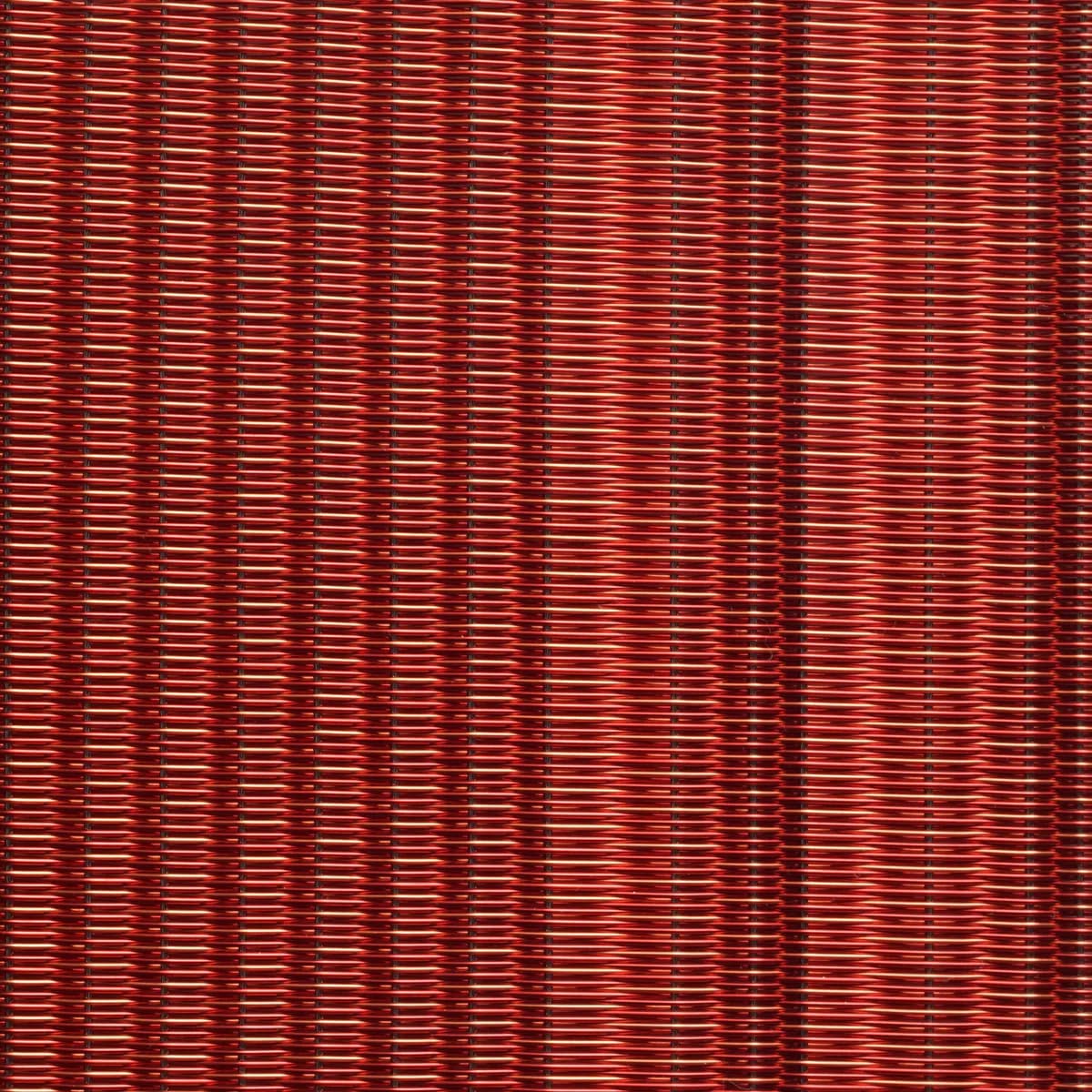
4. Define whether copper and brass should age, retain colour or use a finish system
Copper and brass can provide warm metallic colour, but natural surface change, handling marks, oxidation and patina expectations should be discussed before approval. Clarify whether the design accepts natural variation or expects a controlled colour reference.
If a protective, plated or colour finish is proposed, identify the substrate and process represented by the sample. Close-view projects should also review touch, cleaning and repair expectations.
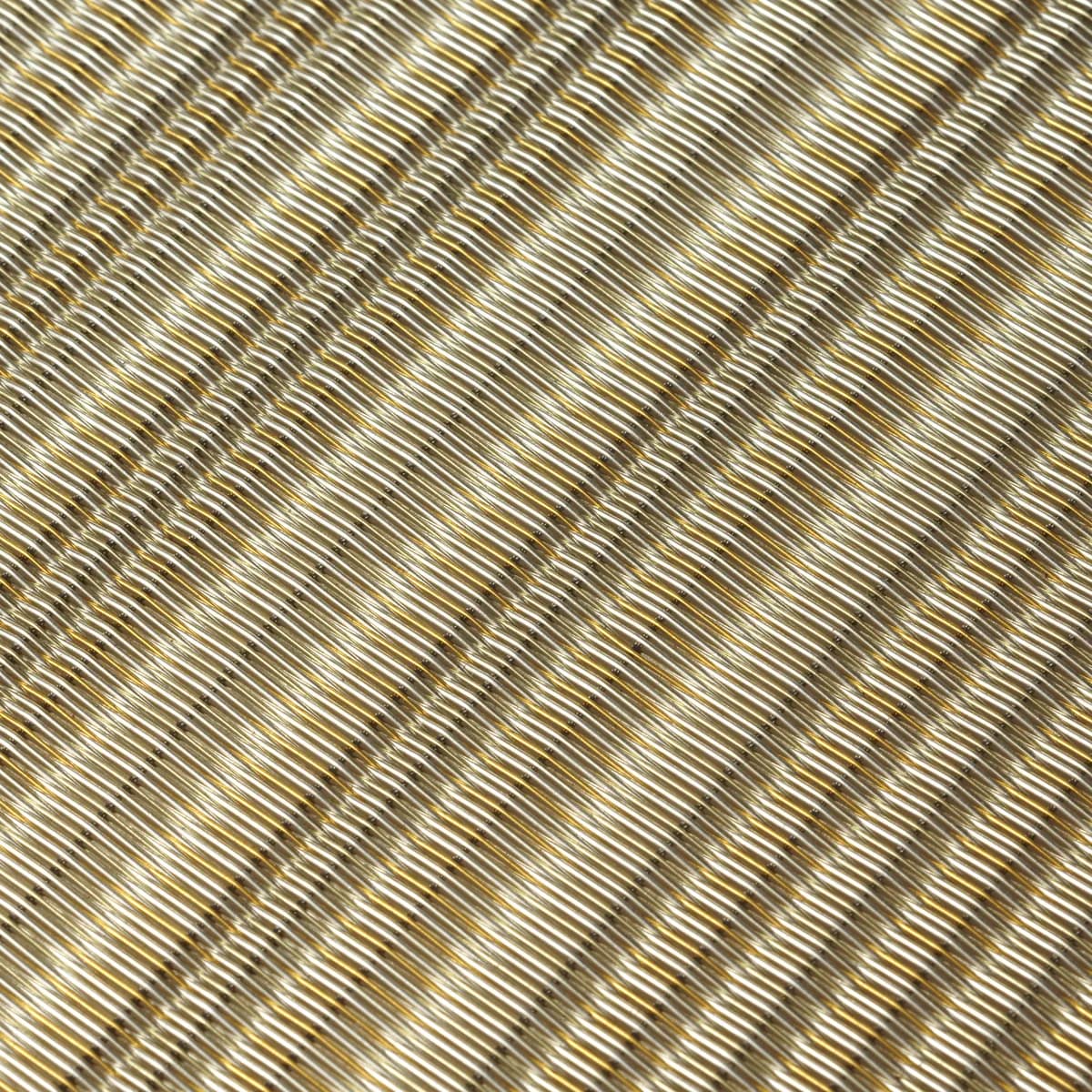
5. Check adjoining metals, edges, retained moisture and cleaning access
Frames, fasteners, brackets, backing and support materials can change the service condition at the mesh boundary. Review contact between dissimilar metals, crevices, water traps, cut or fabricated areas and locations where deposits may remain.
Set a realistic maintenance assumption: access method, cleaning frequency, water quality, permitted cleaning agents and responsibility after installation. Material selection without a maintenance context can create an incomplete expectation.
6. Make the approved material and finish reference traceable
Label the physical sample with product structure, base material or grade, finish process, colour reference, direction, edge condition and approval scope. State whether it confirms colour only or also represents texture, geometry and fabrication.
Before production, reconnect the sample with the latest drawing, quotation and order revision. Where the exposure or consequence is demanding, obtain the appropriate material specialist, testing, engineering and regulatory review.
Make hidden assumptions visible before production
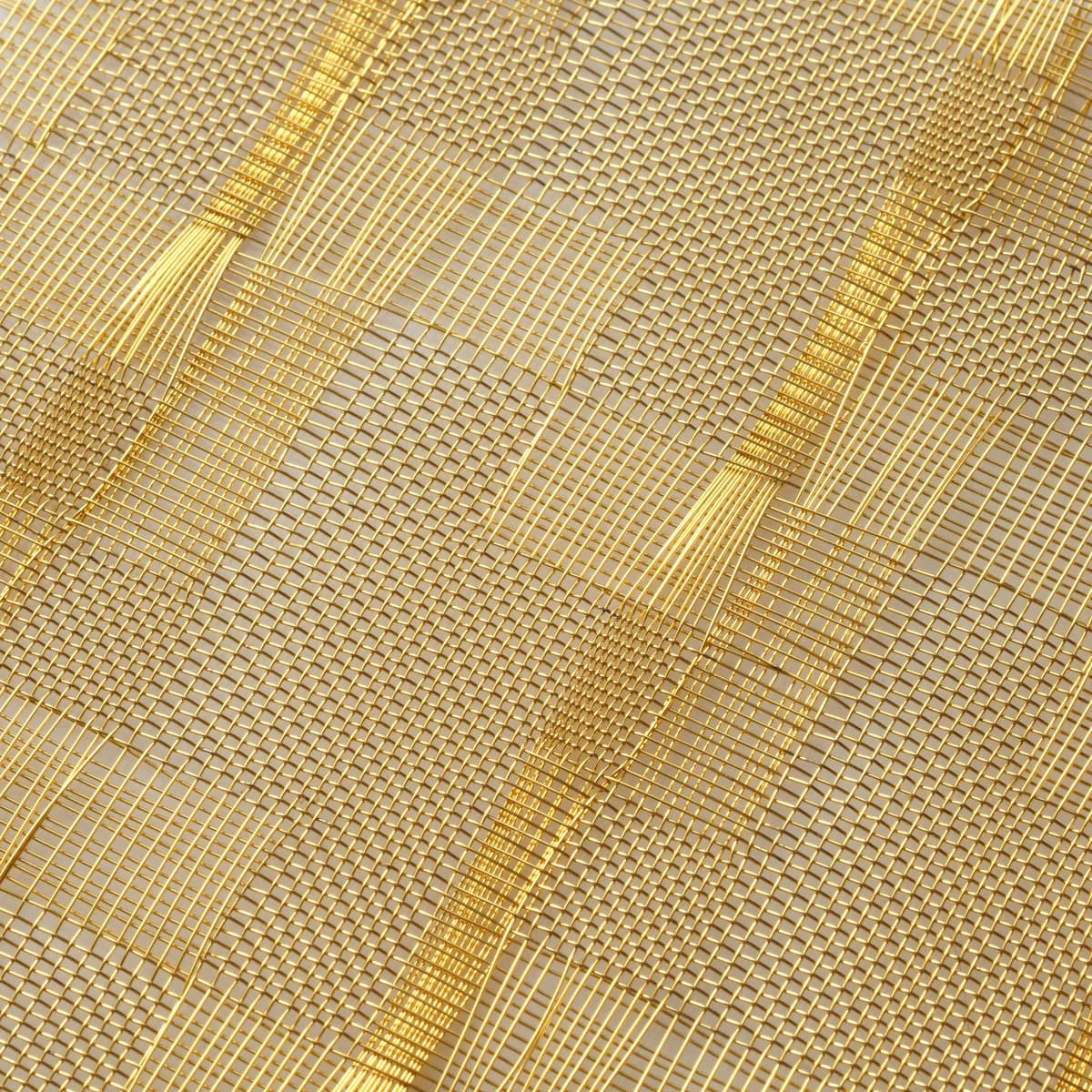
When a buyer asks for a colour such as bronze, gold or silver, I first separate the visible target from the material decision. I ask where the mesh will be used, what it touches, how it is fabricated, whether natural colour change is acceptable and how the surface will be maintained. That turns an image-led request into a material and finish route the project team can actually review.
How a specification becomes a reviewable order basis
SituationThe project has an appearance target but the base material, grade, finish process and exposure basis are not aligned.
What we reviewApplication, environment, material direction, fabrication, finish, edges, adjoining metals, sample reference, cleaning and maintenance.
Why it mattersSimilar colours can come from different substrates and processes with different project implications.
What is confirmedMaterial and finish direction, sample basis, drawing revision, maintenance assumptions and specialist checks still required.
Buyer lessonApprove the substrate and process behind the colour, not the colour image alone.
Know where general guidance must stop
- Do not choose material by colour, grade name or a screen image alone.
- Do not describe stainless steel, aluminium, copper, brass or a finish system as universally maintenance-free.
- Do not assume the same finish looks or performs identically on different substrates and mesh structures.
- Do not use this general guide as project-specific corrosion, structural, fire, code or material approval.
Questions buyers ask before quotation
Can one material be used for every architectural mesh project?
No. Suitability depends on application, exposure, finish, fabrication, adjoining materials, maintenance, service expectation and project requirements.
Is stainless steel always the best choice for exterior mesh?
Not automatically. Stainless grade, surface condition, coastal or chemical exposure, interfaces, drainage and maintenance must be reviewed together. Other material routes may also be considered when supported by the project requirements.
When is aluminium considered for architectural mesh?
Aluminium may be considered where lower weight, forming or a particular finish direction is important, subject to the exact alloy, exposure, panel design, surface treatment and interface review.
How should copper or brass appearance be approved?
Use a labelled physical sample and agree whether natural colour change, patina or protective finish is expected. Screen images cannot define the final tone or ageing behaviour.
Can the finish compensate for the wrong base material?
A finish can change colour, texture and surface response, but it should not be assumed to correct an unsuitable substrate, exposure condition, interface or fabrication route.
What information is needed for material review?
Provide application, location, interior or exterior exposure, coastal or chemical conditions, drawings, adjoining materials, finish target, touch and viewing conditions, cleaning access and maintenance expectation.