
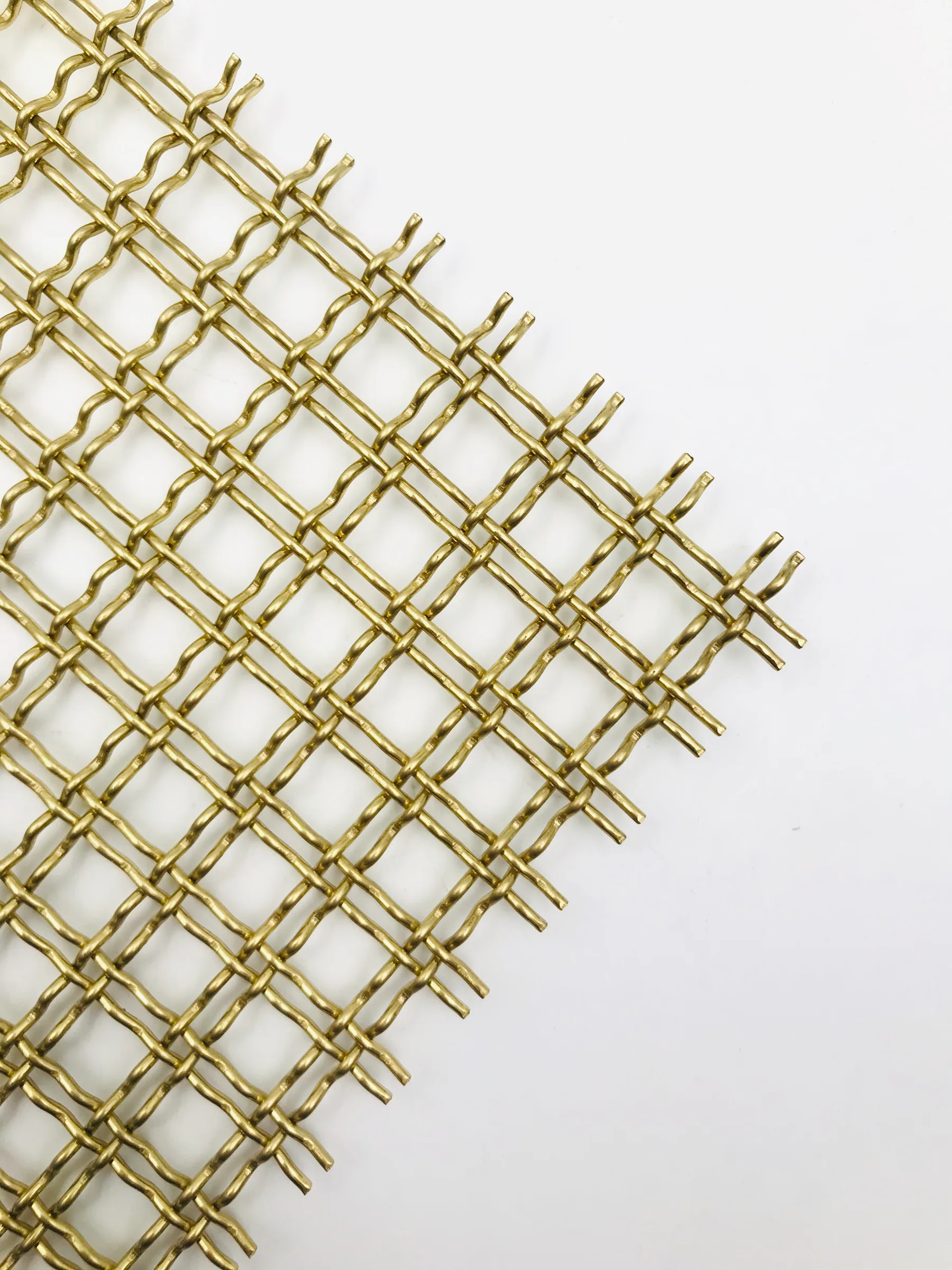
A buyer may approve a sample because the colour looks right, while the supplier interprets the same approval as acceptance of the pattern, edge and dimensions. That single word—approved—can create several different expectations unless the sample’s purpose and limits are recorded.
Direct answer
An architectural metal mesh sample should approve clearly identified characteristics such as structure, pattern scale, material, colour, surface appearance, local flexibility, edge quality or selected dimensions. It should be linked to a drawing, finish reference and written approval record. A small sample does not automatically approve full-panel flatness, hanging behaviour, structural performance, installation interfaces or project-wide colour consistency. Those items require separate project-specific confirmation and, where appropriate, a first-article or larger mock-up review.
We connect the visible mesh to the order definition
In our project review, samples are connected to defined questions, available drawings, finish references and the next production decision. We distinguish an appearance sample from a dimensional sample, an edge sample, a colour reference and a first article so the approval can be used without claiming more than it proves.
Buyer questionWhat exactly is approved when a physical mesh sample is accepted?
Possible approvalsStructure, scale, material, finish, colour, local flexibility, edge quality and selected dimensions.
Not automatically approvedFull-size behaviour, structural performance, installation design, batch-wide appearance or unrecorded interfaces.
Key controlLink the sample identity to the drawing revision, finish reference, approval scope and open decisions.
Next stageUse a first article or larger mock-up when the small sample cannot demonstrate the required condition.
Compare the project conditions before choosing a family
| Decision factor | Flexible direction | Rigid direction | What the buyer should confirm |
|---|---|---|---|
| Pattern / structure sample | Can show coil, cable or rod relationship, local movement and pattern scale. | Can show woven geometry, orientation, surface and local stiffness. | Is the structure the same as the intended order direction? |
| Finish / colour sample | Reviews colour, reflectivity and finish on the selected flexible structure. | Reviews colour, sheen and surface reading on a defined panel structure. | Which material, process and colour reference produced the sample? |
| Edge sample | Reviews termination, track/rod relationship or local side/top/bottom condition. | Reviews cut edge, return, frame, holes, clips or reinforcement. | Does the edge match the current interface drawing? |
| First article | Can review a larger hanging section, divisions, accessories and finish application. | Can review panel dimensions, direction, flatness, edge work, holes and accessories. | Which production characteristics must be accepted before the remaining quantity proceeds? |
| Approval record | Sample code, material, finish, direction, local behaviour and unresolved full-size conditions. | Sample code, material, finish, dimensions, direction, edges and unresolved installation conditions. | Can both parties identify the same approved reference later? |
1. Give every sample a specific approval question
Before making or reviewing a sample, state the decision it needs to support. A material and colour sample answers a different question from an edge sample or a first production panel.
The request should identify the application, product direction, sample size, material, finish, pattern orientation, edge condition and drawing revision that apply. Unknown items can remain open, but they should not disappear behind a general approval.
2. Approve finish language and the physical reference together
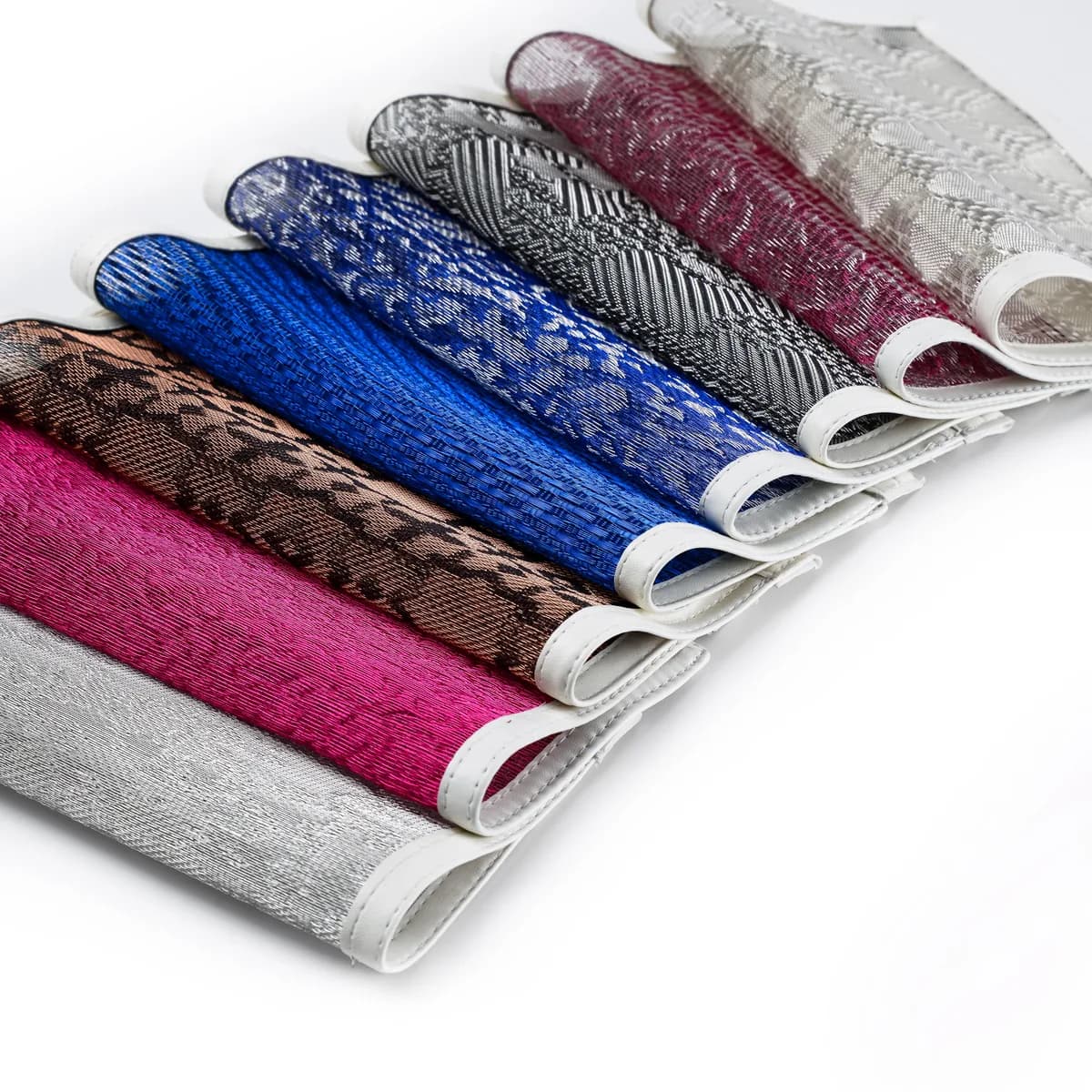
Finish descriptions can be interpreted differently. Aluminium whitening and natural-colour cleaning are separate routes. Brass orders should record whether a protective clear coat is required. Coated colours should connect to an approved colour reference or physical sample.
The approval should consider lighting, viewing distance, material texture and the area represented by the sample. A close-up phone photograph alone is not a reliable production colour standard.
3. Record dimensions, direction and edge details that the sample represents
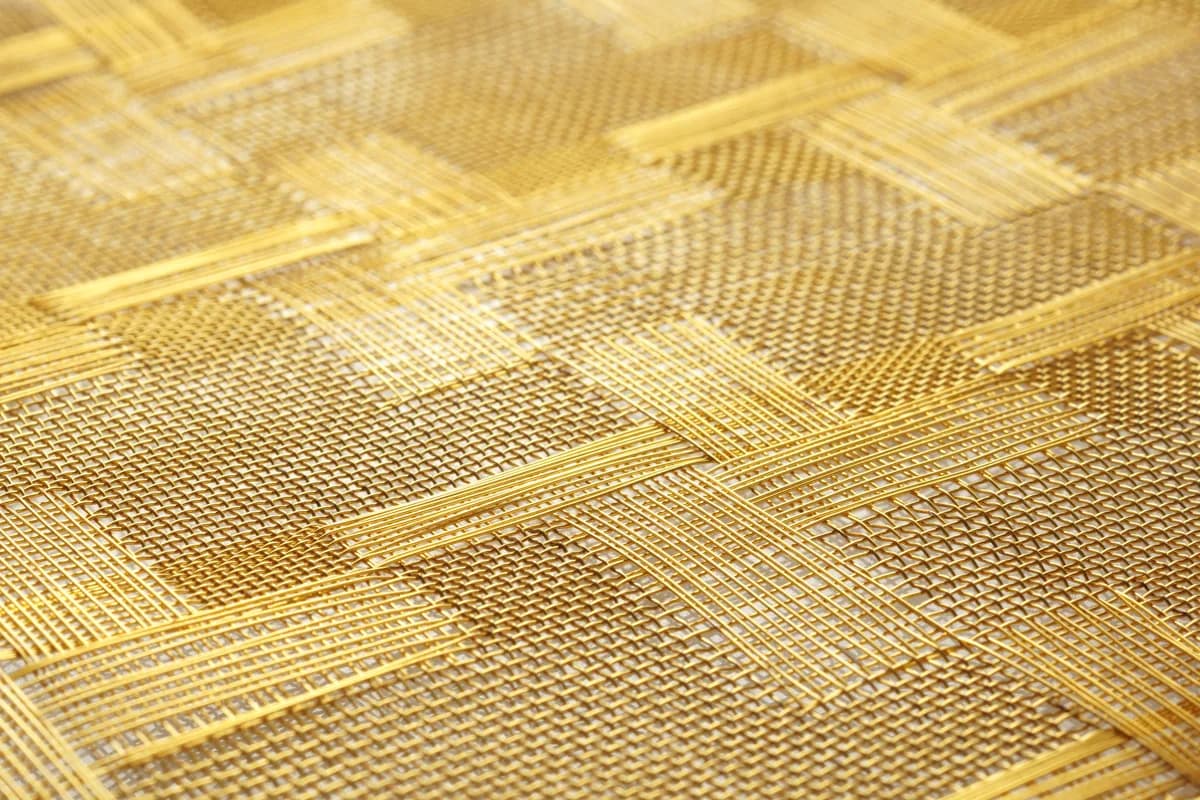
If the sample is used to confirm opening, pitch, wire, rod or local thickness, record the measured or specified characteristics being reviewed. Mark the long-opening or rod direction so the approved orientation can be carried into the drawing.
An edge sample should identify whether it represents a cut edge, return, frame, hole, clip or other termination. If the production panel uses a different boundary, that difference needs its own review.
4. Identify what the small sample cannot prove
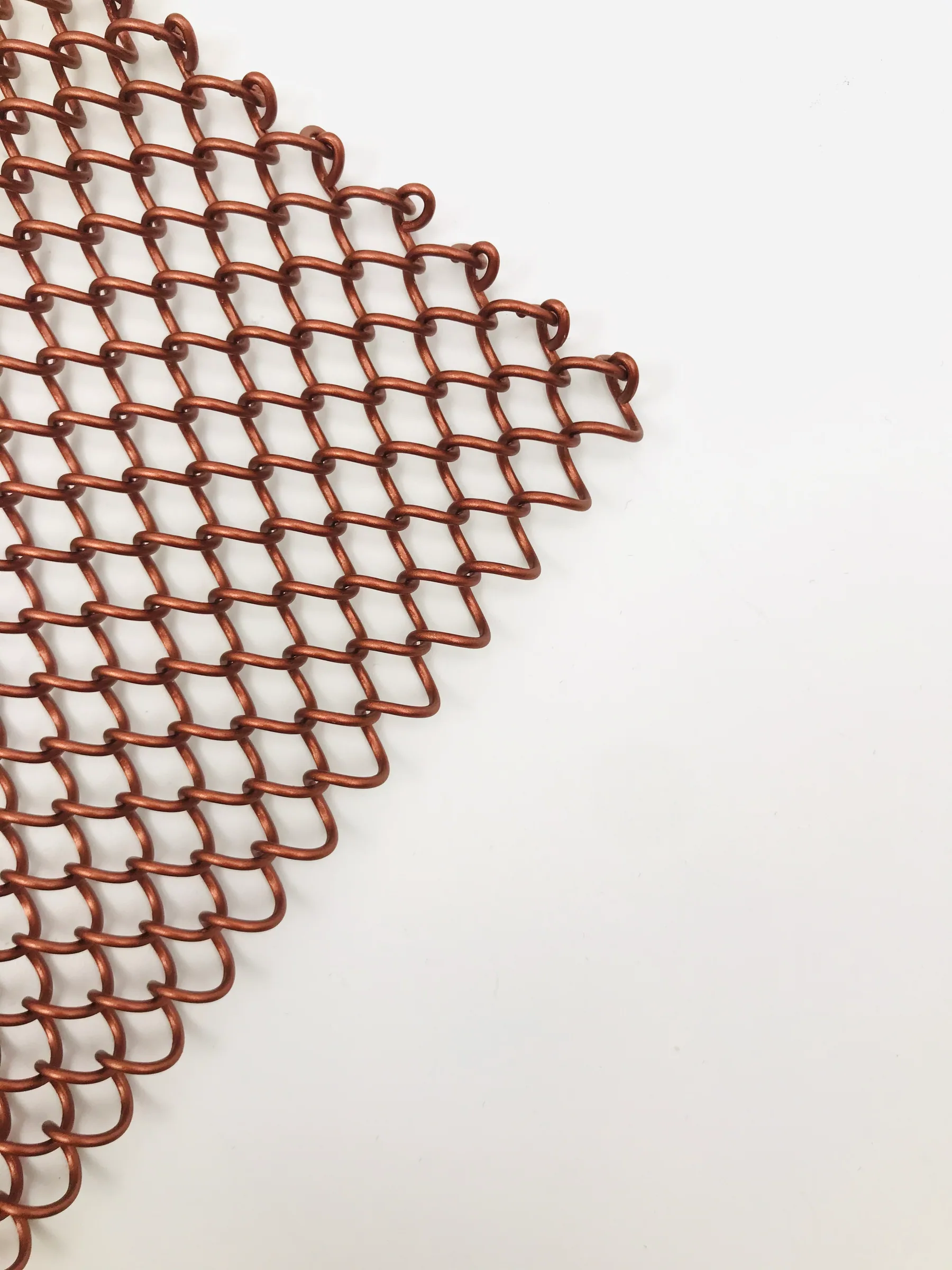
A hand sample may show texture and local movement, but it cannot automatically demonstrate full-height drape, large-panel flatness, joint rhythm, wind response, structural capacity, final installation tension or code compliance.
When these conditions affect the decision, use the appropriate larger mock-up, first article, project engineering review or documented acceptance step. The sample remains useful because its boundary is clear.
5. Connect approval to production and final verification
Before production, check that the approved drawing, sample reference, finish or colour reference, order scope and recorded changes agree. If one has changed, the approval route should be reopened for the affected item.
During final verification, reconnect visible workmanship, dimensions, orientation, finish, edges and accessories to the controlled order record. This makes the sample part of a traceable decision rather than a loose object remembered differently by each party.
Make hidden assumptions visible before production
From my experience, I never want “sample approved” to be the only record. I ask what the buyer approved: the colour, the pattern scale, the edge, a dimension or the overall appearance. I also record what the sample does not show. This protects both sides because the production team receives a usable reference and the buyer can see which decisions still require a drawing, first article or project-specific review.
How a specification becomes a reviewable order basis
SituationThe project team needs to approve appearance or a fabrication detail before production.
What we reviewSample identity, material, finish, colour reference, dimensions, direction, edges, drawing revision and intended approval question.
Why it mattersA vague approval can create different expectations for colour, geometry, interfaces and production scope.
What is confirmedThe characteristics the sample represents, the approved physical reference and the decisions that remain open.
Buyer lessonApprove a defined question, retain the reference and use a first article when a small sample cannot represent the production condition.
Know where general guidance must stop
- Do not use an online image or screen colour as the only production colour approval.
- Do not assume a small sample proves full-size hanging, flatness, structural or installation performance.
- Do not approve a sample without identifying the material, finish route, direction and drawing revision it represents.
- Do not allow a later drawing or finish change to inherit an earlier approval without reviewing the affected decision.
Questions buyers ask before quotation
What should be written on a metal mesh sample approval?
Record the sample identity, product or structure direction, material, finish or colour reference, dimensions being reviewed, edge condition, drawing revision, approval date and any characteristics that remain open.
Can a small sample approve the final colour?
It can establish an agreed colour and surface reference when the material, process and viewing conditions are relevant. Batch variation, lighting and full-area appearance still need appropriate order control and acceptance boundaries.
Does sample approval authorize mass production?
Only when the buyer and supplier have also aligned the drawing, order scope, dimensions, finish reference, quantity and other required pre-production decisions. A sample alone is not a complete production instruction.
When is a first-article review useful?
It is useful when panel size, edge construction, holes, frames, accessories, direction or finish application cannot be adequately assessed on the initial small sample.
What happens if the approved sample differs from the order drawing?
The difference should be resolved and recorded before production. The drawing, sample reference and order record should not contain conflicting instructions.
Should the approved sample be kept after production starts?
Where practical, retain or document the approved reference so production and final review can reconnect to the same visible and measurable decisions.